A solid grasp of plumbing basics helps you maintain your home, save money on repairs, and make better decisions when hiring a plumber or pursuing a career in the trade. This guide explains how each plumbing system works, which plumbing tools matter most, common problems and fixes, maintenance habits, and when to call a professional. We have tailored examples and ranges for the San Francisco Bay Area where relevant.
Introduction: Why Plumbing Knowledge Matters
Plumbing is the network that delivers clean water and removes waste from your home. For DIY homeowners, understanding the basics means you can fix small issues yourself, spot problems early, and communicate clearly with contractors. For new home buyers, it helps you evaluate a property and plan upgrades. For aspiring plumbers, it is the foundation of an in-demand trade—especially in regions like the Bay Area, where older housing stock and strict codes make skilled technicians valuable.
Knowing where your main shutoff valve is, how supply and drain lines differ, and when a job is beyond DIY can prevent costly mistakes. According to the EPA, a single dripping faucet can waste more than 3,000 gallons of water per year; a running toilet can waste up to 200 gallons per day. Small fixes add up to real savings and less strain on local water systems.
Understanding the Residential Plumbing System
Residential plumbing typically includes three parts: supply lines (cold and hot), fixtures (sinks, toilets, showers), and the drain-waste-vent (DWV) system. In the Bay Area, many homes have a mix of pipe materials—copper, galvanized steel, PEX, or PVC—depending on when the house was built. Older Victorians and mid-century ranches often have galvanized or cast iron drains; newer builds use PVC or ABS. Knowing your pipe material helps when planning repairs or discussing options with a plumber.
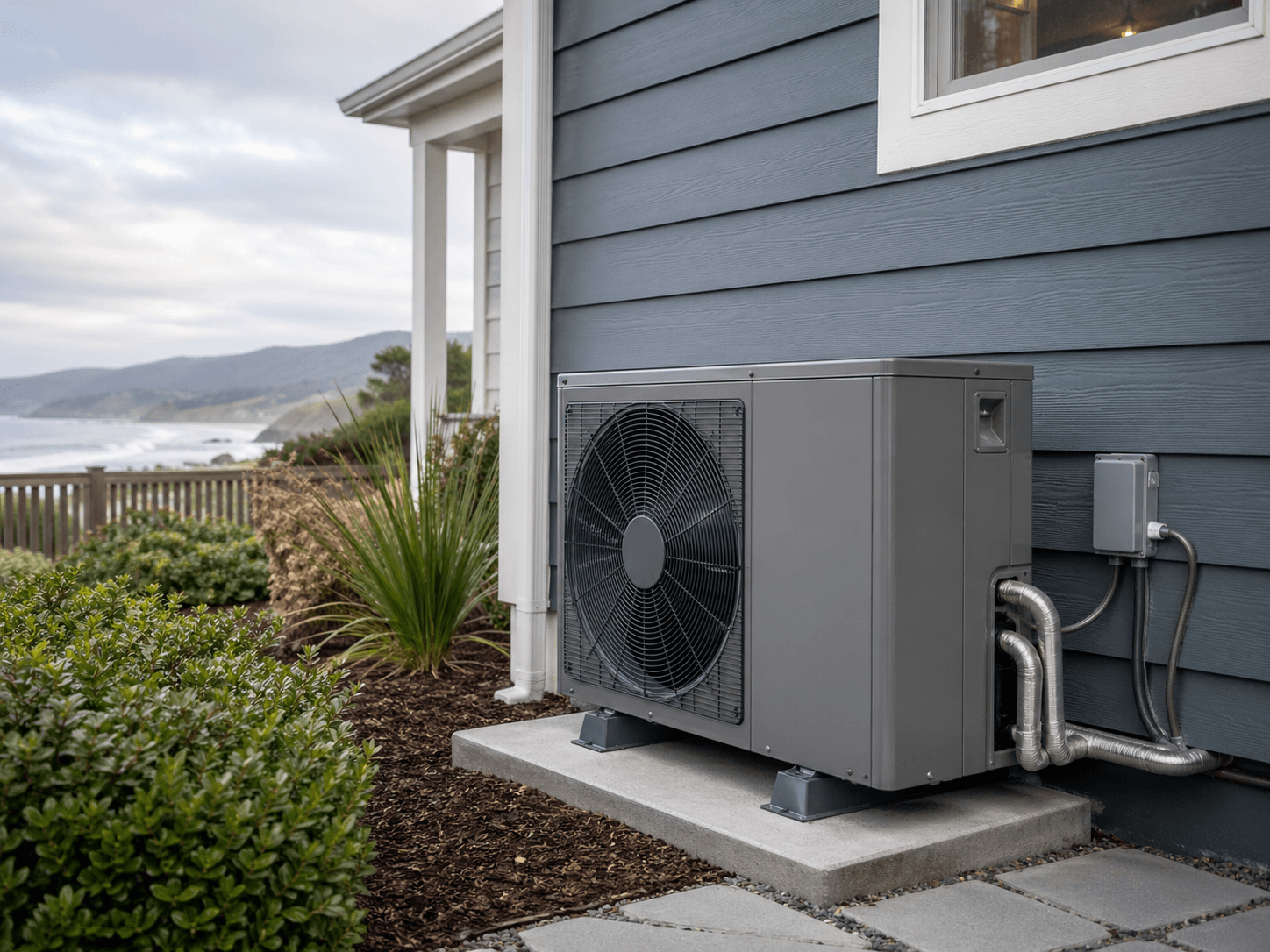
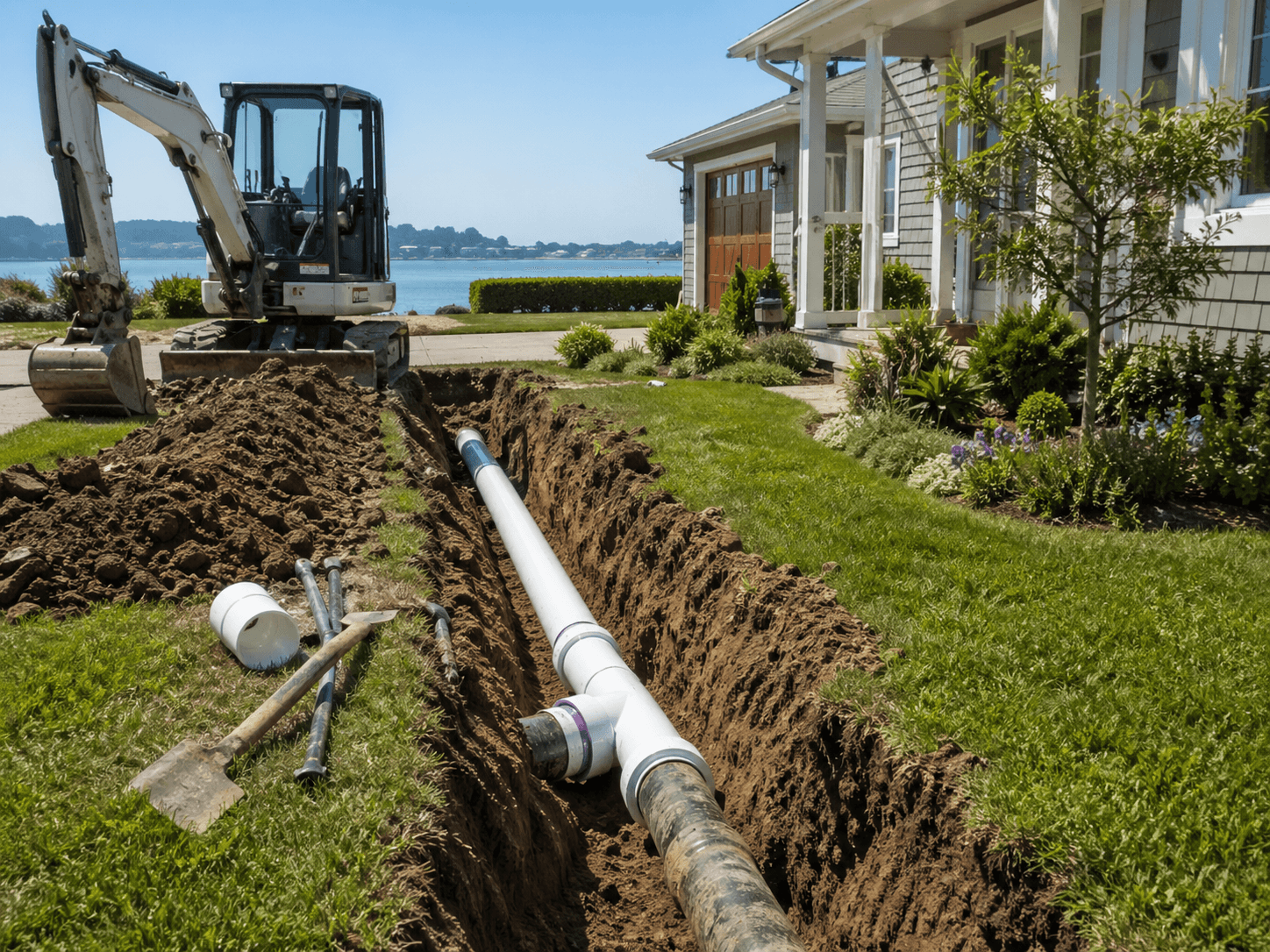
Commercial plumbing handles higher volume and often includes backflow prevention, larger pipe diameters, and stricter code requirements. Sewage systems can be municipal (connected to the city sewer) or septic (common in rural areas). Drainage systems—stormwater, French drains, trench drains—direct water away from foundations and are critical in rainy seasons. Hydronic heating uses water to distribute heat and is common in some Bay Area homes; understanding it matters if you are maintaining or upgrading radiant systems.
Quick comparison: Residential systems are simpler to maintain but prone to clogs and leaks if neglected. Commercial systems are built for heavy use but repairs are more complex and costly. Septic systems need periodic pumping and care with what goes down the drain. Good drainage protects your foundation; poor drainage leads to basement moisture and foundation issues.
Plumbing Tools and Equipment
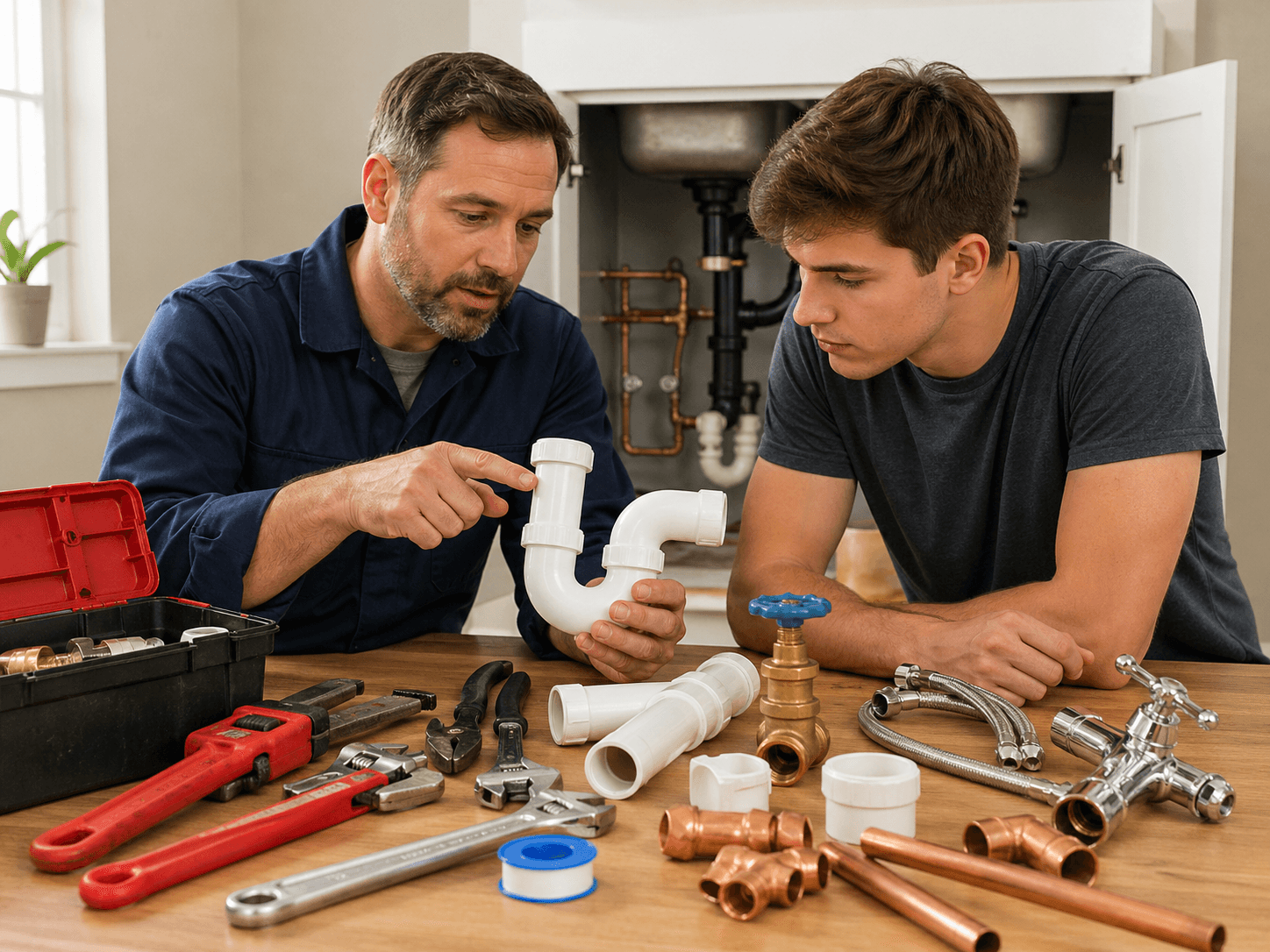
A basic homeowner toolkit for plumbing includes: adjustable wrenches (e.g., 10" and 12") for fittings; groove-jaw pliers (e.g., Channellock-style) for nuts and supply lines; a pipe wrench for stubborn connections; screwdrivers (Phillips and flat); a tape measure and level; a plunger (cup type for sinks, flange type for toilets); and a plumbing auger (drain snake) for single-fixture clogs. For cutting pipe, a tubing cutter works for copper and small-diameter pipe; a hacksaw or reciprocating saw is used for PVC and larger pipe. Teflon tape and pipe dope help seal threaded joints.
Power tools like a drill and hole saw are useful for installing new faucets or running lines. Specialty tools—motorized drain snakes, pipe cameras, or hydro-jetting equipment—are typically reserved for pros. If you are comparing plumber tools or researching plumbers tools lists online, separate essentials from pro-grade equipment before you buy. In our experience, homeowners who keep a solid basic set can handle most faucet, toilet, and single-drain issues; main-line and sewer work usually require professional equipment.
Pros of building a toolkit: you can tackle small repairs quickly, reduce call-out fees, and learn by doing. Cons: initial cost, risk of injury or mistakes if you attempt complex or gas-related work, and the possibility of making a problem worse without the right experience. A practical way to choose plumbing tools is to start with leak and fixture tools first, then add specialty tools only as your projects become more complex. When in doubt, especially for main lines, water heaters, or gas, call a licensed plumber.
Common Plumbing Problems and Solutions
Leaky faucets: Usually caused by worn washers or O-rings inside the cartridge or valve. Turn off the water under the sink or at the main, disassemble the faucet, and replace the worn parts. Kit costs roughly $5–$20; repair time is often under an hour. If you are not sure of the faucet type, bring the old parts to a hardware store to match.
Running toilets: Often a faulty flapper or a misadjusted float. Replace the flapper (or the entire flush valve assembly) and set the float so the tank stops filling at the correct level. This is a very common DIY fix; parts are inexpensive and tutorials are easy to find.
Clogged drains: For a single slow sink or shower, try a plunger first, then a hand auger. For minor buildup, a mix of baking soda and vinegar can help; avoid pouring harsh chemical drain cleaners into pipes, as they can damage older metal or PVC over time. If multiple fixtures are slow or backing up, the blockage is likely in the main line—call a plumber. In the Bay Area, main-line clogs are often caused by tree roots, grease, or collapsed pipes; a camera inspection and hydro-jetting or snaking are typical next steps.
Low water pressure: Check aerators on faucets and showerheads for mineral buildup; soaking them in vinegar often restores flow. If the whole house has low pressure, the cause may be the pressure regulator, a partially closed shutoff, or a leak. A plumber can measure pressure at the main and diagnose.
Water heater issues: No hot water or inconsistent temperature can stem from a failed heating element, a bad thermostat, or sediment in the tank. Flushing the tank once a year can extend life and improve performance. For replacement or gas work, hire a licensed professional; permits and code compliance are required in California.
DIY pros: saves money on small repairs, builds skills, and can be satisfying. Cons: some jobs are dangerous (gas) or code-sensitive (water heater, repipes); mistakes can worsen damage. Know your limits.
Plumbing Maintenance Tips
Understand your system: Locate the main water shutoff and label it. Know where the water heater and key fixtures are. In cold snaps, insulate exposed pipes and consider dripping faucets to reduce freeze risk.
Regular checks: Periodically look under sinks and around toilets for moisture or corrosion. Check the water heater for leaks or rust. Inspect visible supply and drain lines in basements or crawl spaces.
Drain care: Use strainers in sinks and showers to catch hair and debris. Avoid pouring grease down the kitchen drain. Monthly use of an enzyme-based drain maintainer can help keep pipes clear without harsh chemicals.
Pressure: Residential water pressure is typically set between 40–60 psi. Too high can stress fittings and pipes; too low is frustrating. If you are unsure, a plumber can test and adjust the pressure regulator.
Seasonal tasks: Before winter, disconnect garden hoses and insulate outdoor faucets. Once a year, flush the water heater and test the pressure-relief valve. If you have a sump pump, test it before the rainy season.
Use this as a simple checklist: Monthly—check for leaks under sinks and around the toilet base; run hot water and check temperature. Quarterly—clean aerators and showerheads; test main shutoff. Annually—flush water heater; inspect visible pipes; if you have trees near the sewer line, consider a camera inspection or preventive treatment.
Handyman Plumber vs Licensed Plumber: What Homeowners Should Know
Many homeowners search for a handyman plumber when they need small repairs fast. For minor fixture swaps, flapper replacement, or simple leak checks, a qualified handyman may be able to help. But California rules are strict on larger plumbing and gas work, and permit-required projects should be done by a licensed plumbing contractor.
A simple rule: if the task touches a main line, sewer, water heater replacement, gas piping, or code-required permits, skip the handyman route and hire a licensed plumber. This avoids inspection issues, liability risks, and expensive rework later.
When to Hire a Professional Plumber
Hire a licensed plumber for: main sewer or drain line backups; no hot water or water heater replacement; gas line work of any kind; repipes or major reconfiguration; permit-required work (e.g., water heater, new gas appliances); and when you have already tried a reasonable DIY fix and the problem persists or worsens. In California, plumbing and gas work must be done by licensed contractors; unlicensed work can void insurance and create safety and resale issues.
Professional plumbers bring training, proper tools (e.g., cameras, hydro-jetting, heavy-duty augers), and knowledge of local codes. They can pull permits and schedule inspections. In the Bay Area, expect routine service calls in the $150–$300 range; drain cleaning $250–$450; hydro-jetting $650–$1,200; main sewer line cleaning $450–$850; sewer camera inspection $350–$500; commercial floor drains $450–$650; grease traps $750–$950; water heater replacement $2,000–$4,500 depending on type and access. Emergency calls typically cost more; get a clear estimate before authorizing work.
When comparing plumbers, verify California license and insurance, ask for written estimates, and confirm they serve your city (e.g., San Francisco, Daly City, South San Francisco, Pacifica, San Mateo, Sausalito). Avoid anyone who pressures you to skip permits or cannot provide a license number.
FAQ: What is a plumbing auger used for? A plumbing auger is designed to break up and retrieve clogs farther down a drain line than a plunger can reach. Homeowners can often use a hand auger for one slow sink or tub, but repeated backups or multiple clogged fixtures usually indicate a main-line issue that needs professional equipment.
FAQ: Should I call a handyman plumber or a licensed plumber? Use a handyman for straightforward, non-permitted tasks if local rules allow it, but hire a licensed plumber for anything involving gas, sewer, repiping, water heater replacement, or recurring drain backups.
Conclusion
Plumbing knowledge empowers you to maintain your home, fix small issues safely, and make informed decisions when hiring a professional. Whether you are a DIY homeowner, a new buyer, or exploring the trade, understanding systems, tools, common problems, and maintenance pays off in lower costs, fewer emergencies, and better outcomes. For jobs beyond your comfort level—especially main lines, water heaters, and gas—rely on a licensed local plumber.
Trust Sugar Bear Home Services for Plumbing in the Bay Area
Sugar Bear Home Services provides full-service plumbing across the San Francisco Bay Area, including San Francisco, Daly City, South San Francisco, San Bruno, Pacifica, San Mateo, and Sausalito. We handle drain and sewer cleaning, leak detection, pipe repair, water heater service, and emergency plumbing. Our technicians are licensed and insured, and we offer transparent pricing and written estimates. When you need a plumber you can trust, call (650) 618-9680 or contact us online to schedule service or get same-day help in an emergency.