Tracy, CA has grown into one of the Central Valley’s busiest communities, with a mix of newer subdivisions and established neighborhoods. For homeowners, busy professionals, and investors, keeping properties in good shape often means calling on a reliable handyman. This guide gives you Tracy-specific tips, realistic cost ranges, and templates so you can hire with confidence and avoid common pitfalls.
Why Handyman Services Matter in Tracy
Tracy’s climate and housing stock create recurring needs: hot, dry summers that stress fences and outdoor structures, hard water that affects fixtures and appliances, and a wide range of home ages from newer builds to older stock. A handyman who knows the area can tackle small repairs and multi-task visits (e.g., fix a leaky faucet, hang shelves, and repair a gate in one trip), saving you time and keeping your home or rental in good condition.
Example: A homeowner in the Ellis area might need a fence panel replaced after wind damage, a ceiling fan installed in a family room, and a few door hinges tightened before listing the house. A single, well-vetted handyman can often do all of that in one visit instead of coordinating multiple trades.
Types of Handyman Services in Tracy, CA
Local handymen typically offer a mix of the following. Not every provider does every type; always confirm before booking.
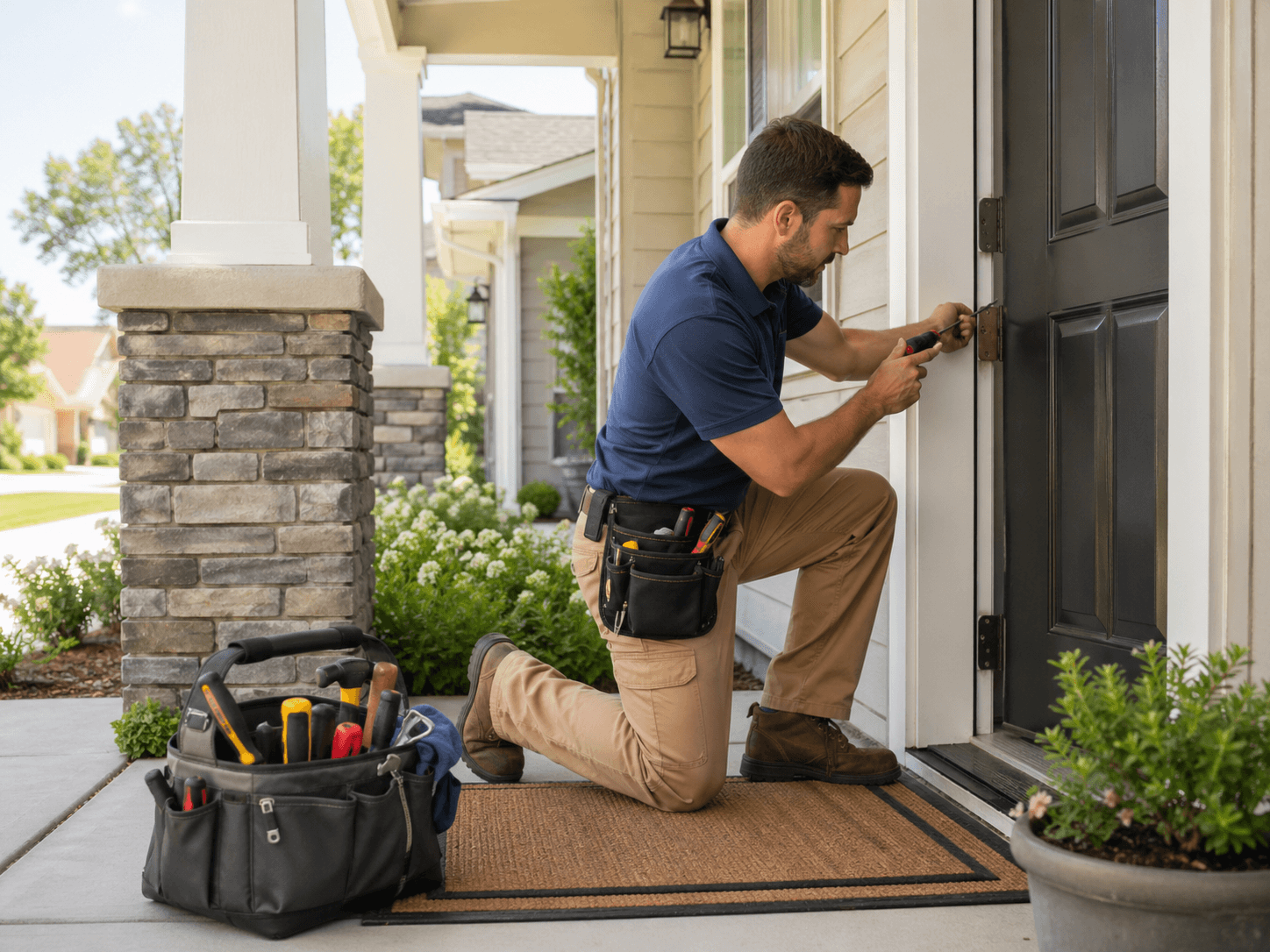
- General repairs: Leaky faucets, loose doorknobs, stuck drawers, drywall patches, screen repairs, and minor caulking.
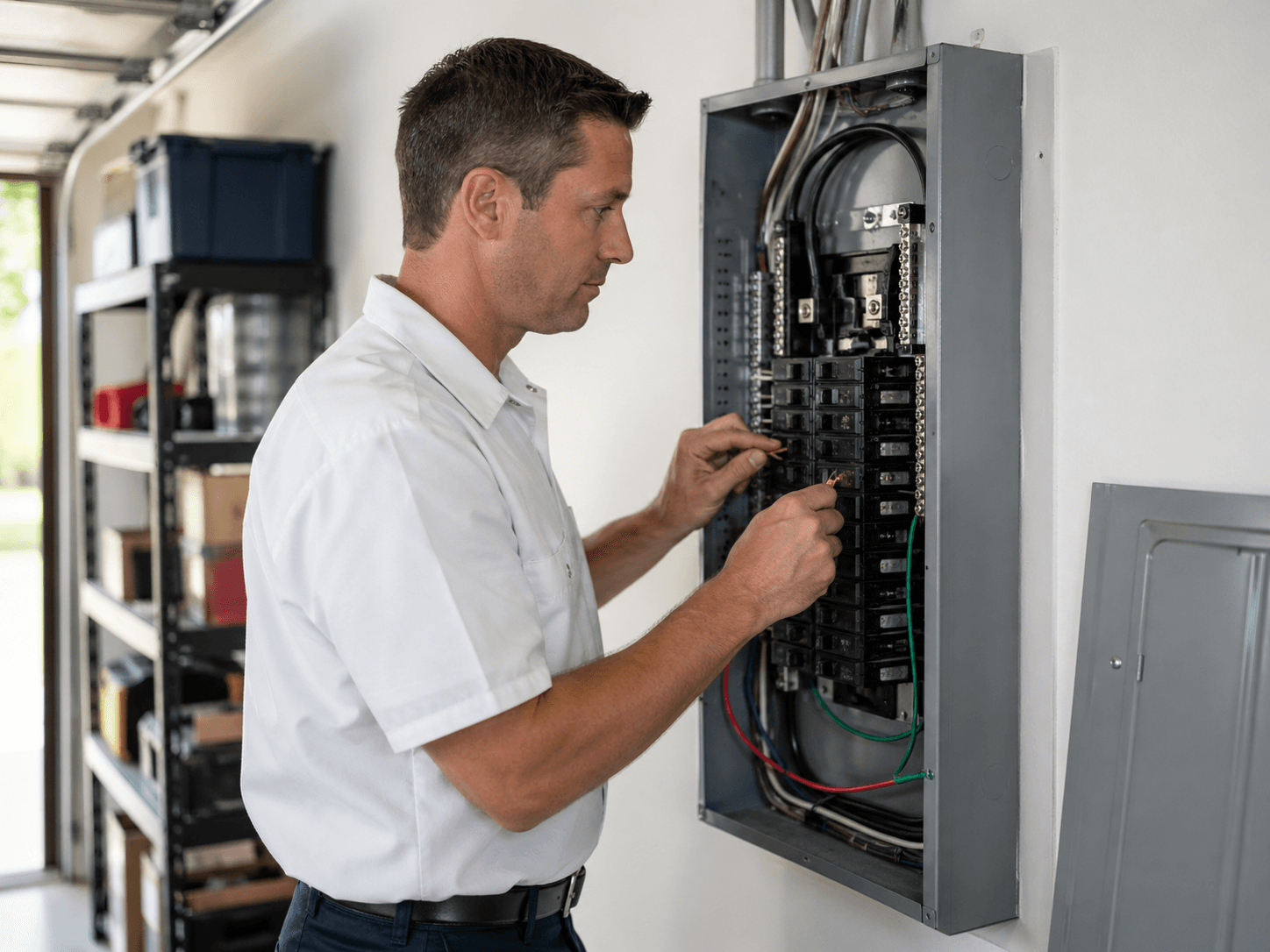
- Electrical (minor): Ceiling fan installation, light fixture swaps, outlet and switch replacement. For new circuits or panel work, use a licensed electrician.
- Plumbing (minor): Toilet flapper and fill valve replacement, faucet washers, drain clearing. For main lines, water heaters, or gas, use a licensed plumber.
- Painting: Interior and exterior touch-ups, single-room repaints, trim work. Large or multi-room projects may be quoted by dedicated painters.
- Carpentry and assembly: Shelving, furniture assembly (e.g., IKEA), basic cabinet adjustments, fence and gate repairs.
- Outdoor and landscaping: Fence and gate repair, deck maintenance, irrigation head replacement, basic pressure-washing.
Tip: In California, any job over $500 (labor and materials) generally requires a contractor licensed by the CSLB. For smaller tasks, many homeowners use a handyman; for larger or permitted work, hire a licensed contractor in the right classification.
Typical Cost Ranges in Tracy (Labor Only, Approximate)
Use these as a starting point; get written estimates for your specific job. Materials are usually extra.
- Hourly rates: Many Tracy handymen charge between $60 and $120 per hour depending on skill and demand. Specialized or rush work can run higher.
- Common flat-rate examples: TV mount $80–$150, ceiling fan install $100–$200, toilet repair $100–$200, fence panel repair $150–$350, interior door install $150–$300.
- Budget tip: Add 10–20% contingency for uncovered issues (e.g., rotted wood behind a fence panel, bad wiring in an old box).
How to Find a Reliable Handyman in Tracy
Start with people and places that have a stake in your satisfaction: neighbors, local real estate agents, and property managers. Then use online tools to verify.
- Ask neighbors in your subdivision or on local Facebook groups (e.g., Tracy community pages) and Nextdoor for names they’ve used more than once.
- Check Yelp and Google for “handyman Tracy, CA” and read recent reviews. Look for mentions of punctuality, clear communication, and follow-up.
- Get at least two written estimates for the same scope of work so you can compare price and professionalism.
- For larger or structural work, verify a California contractor license at the CSLB website and confirm liability and workers’ comp insurance.
Handyman Request Checklist (Use When Booking)
Copy this list and fill it in before you call or message. It reduces miscommunication and helps you compare quotes.
- Describe the job in one or two sentences.
- List each task (e.g., “replace 2 fence panels,” “install 1 ceiling fan in living room”).
- Note access (gate codes, dogs, parking).
- Preferred window (e.g., weekday morning, Saturday).
- Whether you will supply materials or want them included in the quote.
- Ask: “Is this something you do regularly?” and “Do you provide a written estimate before starting?”
Questions to Ask Before You Hire
- Are you licensed or working under a licensed contractor for this type of work?
- Do you carry liability and workers’ compensation insurance?
- Will you give me a written estimate that includes labor and materials?
- What is your typical response time for scheduling?
- Do you warranty your work? For how long?
- Who will actually do the work—you or someone else?
If the handyman is vague about licensing or insurance, or refuses to put the scope and price in writing, consider someone else.
Budget Worksheet Template
Use this to plan and track spending so you don’t overspend.
- Project description and priority (must-do vs. nice-to-have).
- Estimated labor (from quotes): $_____ .
- Estimated materials (from quotes or your research): $_____ .
- Contingency (10–20% of total): $_____ .
- Total budget: $_____ .
- Notes (e.g., “Get permit if replacing water heater” or “Use licensed electrician for panel work”).
When to Use a Specialist Instead of a Handyman
Handymen are great for small, multi-trade tasks. For the following, use a licensed specialist:
- New or extended electrical circuits, panel upgrades, or anything behind the wall that requires a permit.
- Main line plumbing, water heater replacement, sewer work, or gas lines.
- Structural changes, load-bearing walls, or major roofing.
- HVAC installation or refrigerant work.
Using a specialist for regulated work protects your safety and your home’s value and avoids permit and insurance issues.
Red Flags to Watch For
- No written estimate or refusal to put scope and price in writing.
- Pressure to pay everything upfront or in cash only.
- No proof of insurance or license when the job size requires it.
- Poor communication (repeated no-shows, missed callbacks).
- Reviews that mention unfinished work, callbacks for the same issue, or damage.
If you see one or more of these, get another quote or move on.
Summary and Next Steps
Handyman services in Tracy, CA can save you time and keep your home or investment property in good shape when you choose wisely. Define the job clearly, get written estimates, and use the checklist and questions above to compare providers. For small repairs and multi-task visits, a reliable handyman is often the most practical option; for anything that involves permits, major systems, or structural work, hire a licensed contractor in the appropriate trade. With a bit of planning and vetting, you can get quality work at a fair price and avoid the headaches of poor communication or unfinished jobs.