Water Heater Repair in the San Francisco Bay Area | Sugar Bear Home Services
There's no wake-up call quite like a freezing cold shower on a foggy San Francisco morning. When the faucet runs cold, finding reliable Water Heater Repair - San Francisco Bay Areabecomes an immediate priority for your family's comfort.
Think of this appliance like a car engine; you wouldn't drive for years without an oil change, yet water heaters often work tirelessly without a second thought. Industry experience shows that treating your system with the same care as a vehicle prevents minor symptoms, like strange noises or slow heating, from becoming flooded garages.
From basic diagnostic checks to recognizing when a professional is needed, maintenance breaks down into manageable steps. Sugar Bear Home Services is here to help you navigate these repairs, ensuring your hot water returns quickly and stays consistent.
Why Is My Water Heater Making Popping Noises?
If your garage or utility closet sounds like it's popping popcorn, you aren't just imagining things. This distinct rumbling is one of the most common signs of water heater failure we see in homes across the Bay Area, and it acts as an audible alarm for sediment accumulation. Even with our region's generally high-quality water, dissolved minerals inevitably separate over time and settle at the bottom of the tank.
Think of this buildup like the chalky scale that forms in an old tea kettle. As that layer of sediment thickens, it creates an insulating barrier between the gas burner or electric element and the water. The popping sound occurs when steam bubbles get trapped underneath this mineral layer and forcefully burst through, a struggle that overheats the tank's metal shell and accelerates hard water damage to Bay Area plumbing systems.
Strange odors signal a completely different internal battle. If you catch a "rotten egg" scent, you are likely wondering, "why is my hot water smelling like sulfur?" The answer usually lies with the sacrificial anode rod, a component designed to chemically attract rust to itself so your steel tank remains untouched. When this rod is fully corroded, the tank becomes vulnerable, shifting the priority from fixing popping and rumbling noises in water tanks to preventing a major leak.
Recognizing these symptoms gives you a head start, but the specific path to repair changes depending on your energy source. Before calling in the pros, perform a basic safety check based on whether you are working with a gas or electric model.
First Steps When the Hot Water Stops: Gas vs. Electric Troubleshooting
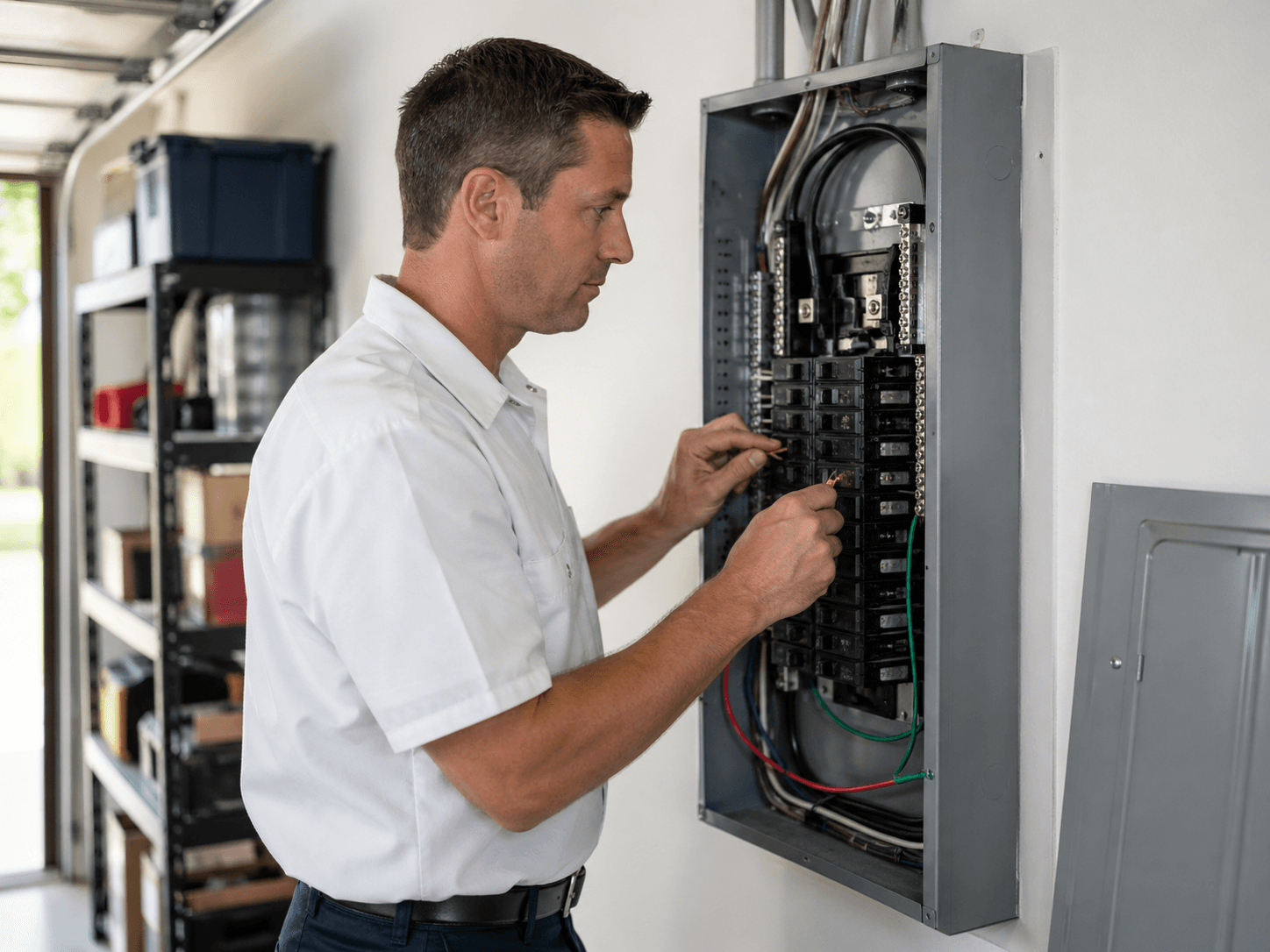
For homeowners wondering how to repair electric hot water heater problems, the solution is often in the electrical panel, not the tank. Surges can trip the dedicated circuit breaker without cutting power to the rest of the house, leaving you with cold water despite a functioning unit. Even if you own a sturdy ge electric water heater, check for a flipped switch first-it is the most common culprit for sudden cold showers and the easiest to fix.
Gas units operate differently, relying on either a standing pilot light (a continuous blue flame) or modern electronic ignition to heat the water. When troubleshooting gas water heater pilot light issues, the usual suspect is the thermocouple. This small sensor detects heat; if it malfunctions, it cuts the gas supply to prevent dangerous leaks. Often, learning how to repair a gas hot water heater simply means replacing this inexpensive safety guard rather than the whole tank.
To safely check your pilot status, use this sequence:
- Remove the lower access cover to look for a visible flame or a blinking LED status light.
- Smell for gas near the floor before attempting to spark anything, as leaking gas settles low.
- Verify the knob is turned to "Pilot" before pressing the igniter button.
With power and gas supplies confirmed, the next vital maintenance task is clearing out the tank.
The Power of the Flush: How to Remove Sediment and Extend Tank Life
Bay Area water brings minerals that settle at the bottom of your tank, eventually turning it into a giant, crusty tea kettle. This sediment layer acts like a thick winter coat between the burner and the water, forcing the unit to burn more fuel just to reach the right temperature. Performing a regular water heater flush removes this expensive insulation, lowering utility bills and stopping those alarming "popcorn" noises caused by steam bubbles trapped under the grit.
You can flush out water heater sediment in about an hour using just a standard garden hose. Follow this safe way to drain a water heater without making a mess:
- Turn off the fuel (set gas knob to "Pilot" or flip the electric breaker) and close the cold water valve on top.
- Attach a garden hose to the drain valve at the bottom, routing the end to a driveway or drain.
- Open the drain valve and the pressure relief valve to break the vacuum and let gravity pull the water out.
- Blast fresh water by opening the cold inlet briefly until the hose discharge runs clear.
Many homeowners ask what is a water heater flush going to do for an older unit? While consistent water heater cleaning can double a tank's lifespan, it cannot fix existing structural rust. With maintenance complete, attention shifts to the external safety measures required by local law.
Staying Safe and Legal: California Earthquake Strapping and Title 24 Rules
Living in the Bay Area means accepting that the ground will eventually move, turning an unsecured tank into a heavy, gas-leaking hazard. To prevent your appliance from tipping over during a tremor, California earthquake strapping requirements for water heaters mandate two specific heavy-gauge metal braces: one anchored across the top third and another across the bottom third of the tank. This double-anchoring system keeps the unit vertical and the gas lines intact, ensuring that a geological event doesn't turn into a fiery household disaster.
Beyond physical stability, state regulations now dictate how efficient your hot water system must be to reduce strain on the power grid. Title 24 compliance for California water heaters often means that new installations require thicker tank insulation, heat traps, and rigorous pipe lagging to minimize energy waste. While these strict standards might slightly increase the upfront price of a modern replacement, they significantly lower monthly utility bills by keeping the heat inside the tank rather than letting it bleed into your garage or utility closet.
Hardware specifications become even more critical if you reside in manufactured housing, as standard residential units are legally and mechanically incompatible with these structures. A water heater mobile home setup features unique side-mounted gas inlets and specialized venting to accommodate tighter enclosures, meaning mobile home water heaters must carry specific HUD safety approvals to be legal. Adhering to these rigid code requirements helps you avoid purchasing the wrong unit, a vital first step before calculating the final numbers for repair versus replacement.
To Fix or to Swap? The Homeowner's Guide to Repair vs. Replacement Costs
Facing a steep repair bill often forces a tough financial crossroads. If your unit is approaching its tenth birthday, pouring money into old parts is often like putting a new transmission in a clunker. Use this cost to repair vs replace water heater guide to remove the guesswork from your decision.
To clarify the choice, apply the "50% Rule" checklist:
- The Math: Does the repair quote exceed 50% of the cost of a brand-new unit?
- The Age: Is the tank older than the warranty period (usually 6-10 years)?
- The History: Have you paid for other repairs in the last 12 months?
If you checked "yes" above, upgrading becomes the logical step. Weighing tankless vs traditional water heater pros and cons reveals that tankless units, while pricier upfront, offer endless hot water ideal for energy efficient water heater installation Bay Area homes. With the numbers settled, the priority is getting your hot water flowing again.
Your Roadmap to Hot Water Reliability
Strange noises or lukewarm showers aren't just annoyances-they are warning signs. Identifying these symptoms early puts you ahead of a freezing morning surprise and empowers you to make informed decisions about your home's comfort.
While checking the thermostat is safe, handling gas lines or a professional plumbing inspection for leaking water tanks requires expert hands. Don't risk your safety on complex DIY fixes; knowing who to call to fix water heater issues properly is your best defense against water damage.
For the water heater repair San Jose CA residents rely on, trust Sugar Bear Home Services. Whether you need maintenance or 24 hour heater repair near me, we are ready to restore your hot water and peace of mind today.