If you are searching why would I not have hot water, why is there no hot water, or why do I suddenly have no hot water, start with safe symptom checks before assuming full replacement. Inconsistent water heating usually points to one of a few recurring issues across tank and tankless systems.
Why Is My Hot Water Not Hot?
Homeowners often describe this as water heater not as hot, hot water heater not hot, or water not getting hot. In most homes, the root cause is sediment buildup, thermostat drift, heating element wear, burner performance issues, or flow-demand mismatch.
Common triggers include:
- Sediment reducing heat transfer in storage tanks
- Aging heating elements in electric units
- Burner or ignition issues in gas units
- Crossover/mixing problems at fixtures
- Oversized demand from simultaneous hot-water usage
No Hot Water in House: Fast Triage Checklist
If you have no warm water in house conditions or a total no hot water event:
- Confirm if the problem is whole-home or one fixture.
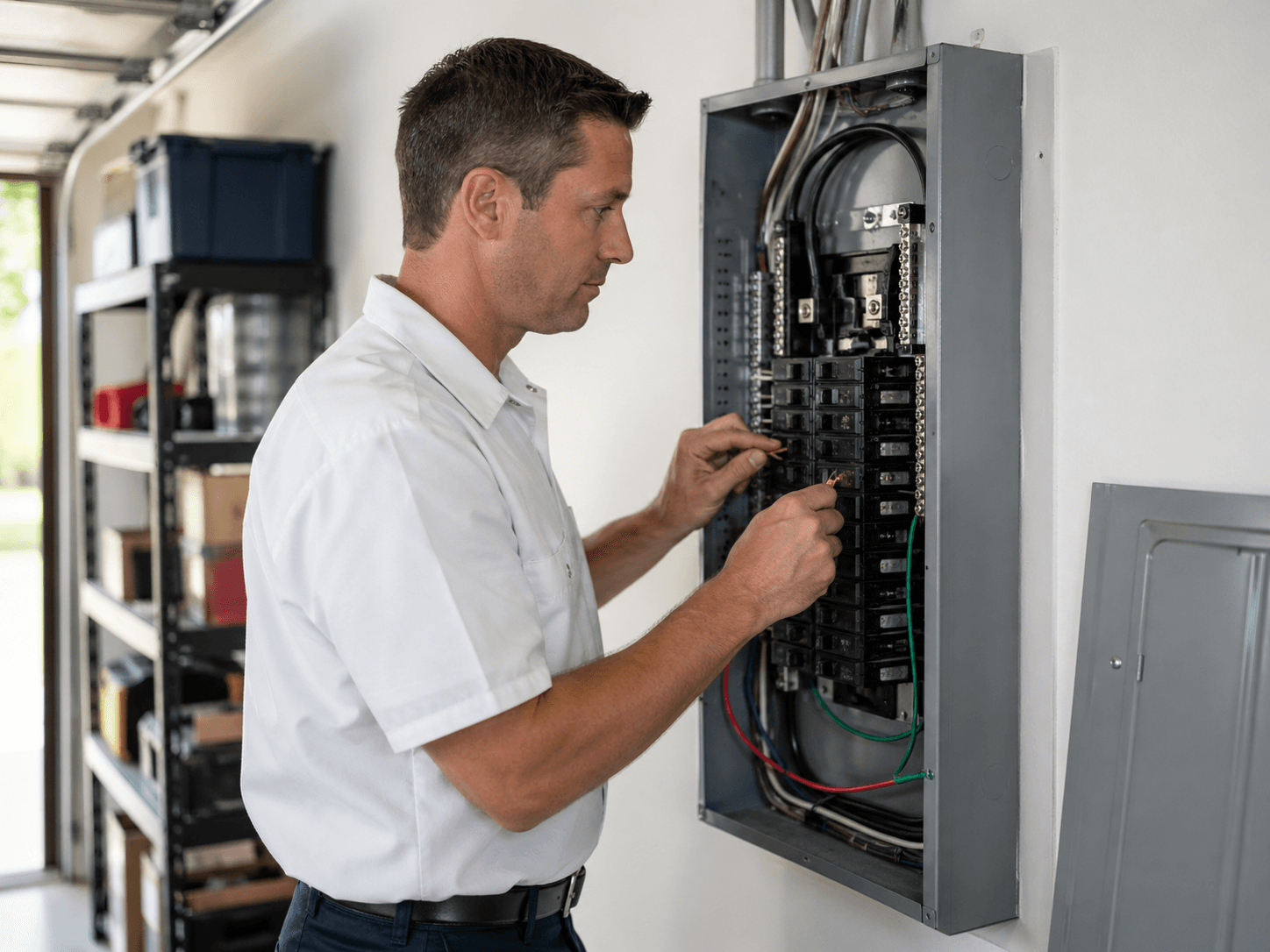
- Check breaker/power at electric units.
- Verify pilot/ignition status on gas systems.
- Look for leaks, rust, or unusual noises.
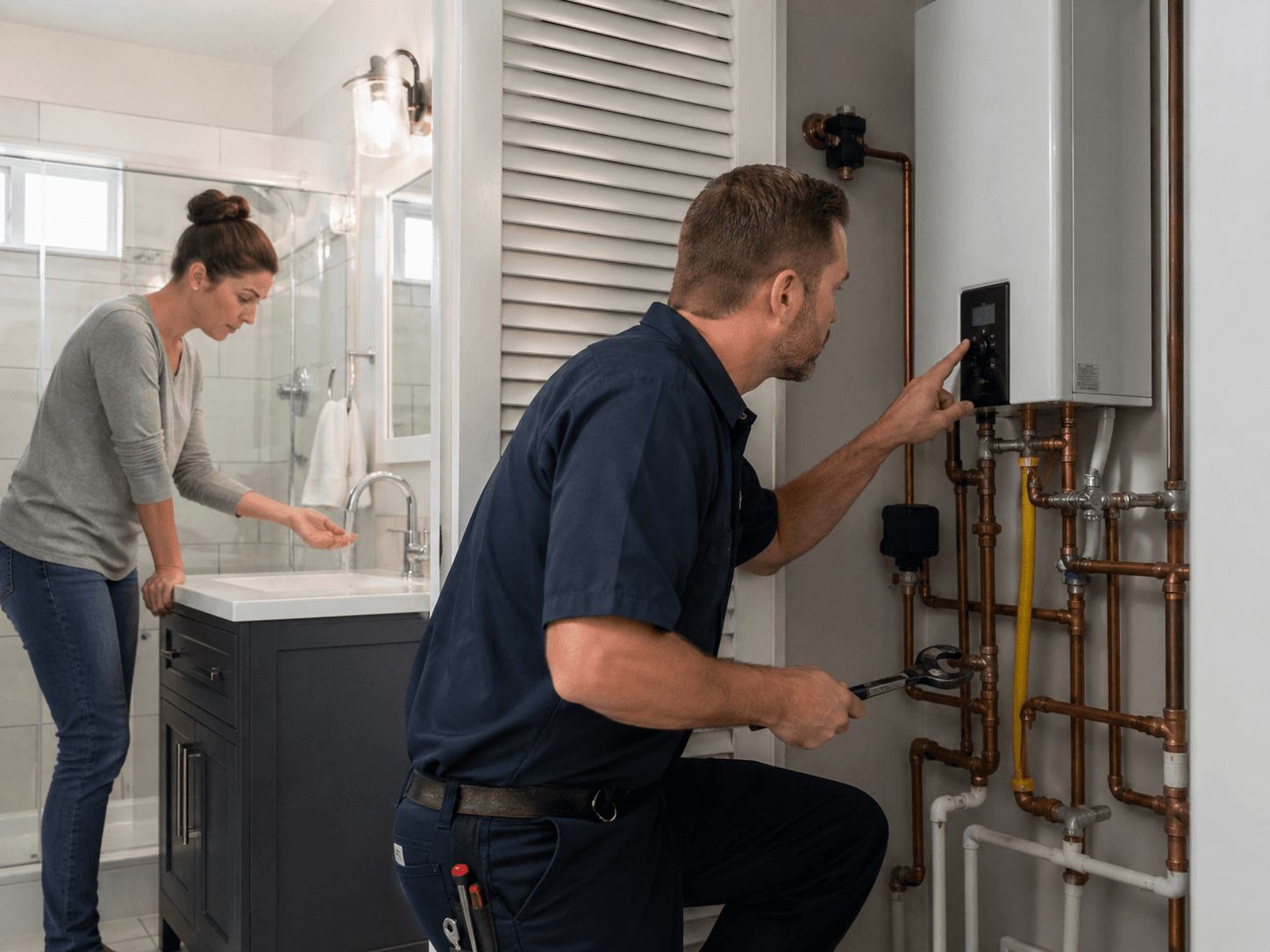
- Note any error codes on tankless units.
- If you smell gas, leave the area and call 911.
This article is designed for safe triage. It is not a step-by-step repair manual for live gas or high-voltage components.
Electric and Tankless Symptoms to Watch
Query sets often include why is my electric tankless water heater not getting hot, troubleshooting water heater problems, and water heater stopped heating. These symptoms usually point to power supply interruptions, control-board faults, scale buildup, or flow-sensor issues.
For electric tank systems, failed upper/lower elements and thermostat mismatch are common reasons hot water heater not heating water conditions develop. For tankless units, scale, venting restrictions, and ignition/control errors are frequent culprits.
Heating and Hot Water Not Working at the Same Time
If heating and hot water not working happens together, you may be dealing with a shared mechanical or control issue, especially in homes with integrated systems. In those cases, diagnostic scope can involve both plumbing and heating components.
Repair vs Replace Decision Framework
- Repair may make sense: newer unit, isolated component issue, no corrosion/leaks.
- Replacement may make sense: repeated service history, visible tank damage, major efficiency decline, or end-of-life age.
If you are searching how to fix hot water tank, how to fix electric hot water tank, or how to fix a hot water heater, treat those as escalation indicators and book diagnostics before attempting invasive repairs.
Related Services
Need help now? Call (650) 618-9680 for Bay Area dispatch and a clear repair-vs-replace recommendation.