March 25, 2026

Main Water Shut Off Valve Guide: What It Looks Like and Where to Find It

Main Water Shut Off Valve Guide: What It Looks Like and Where to Find It

Knowing your main shutoff valve location can prevent thousands in water damage during a burst pipe or appliance leak.

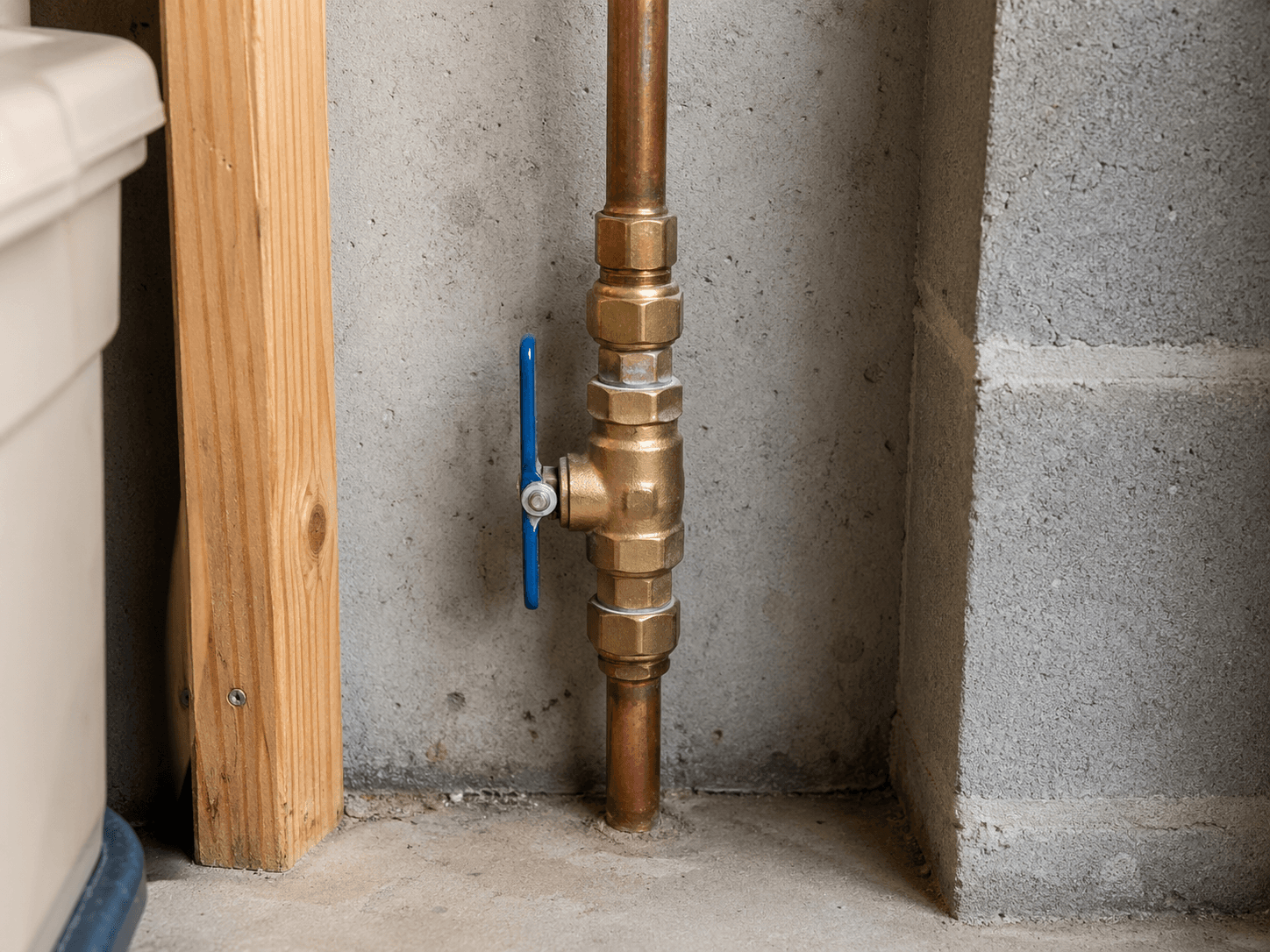
What Does a Main Water Shut Off Valve Look Like?

Most homes have either:

  • Lever (ball) valve: quarter-turn handle, usually quickest to shut off.
  • Round (gate) valve: wheel-style handle that turns multiple rotations.

The valve is usually where the water line enters the house, near the meter, crawlspace entry, garage wall, or utility area.

How to Shut Off Water in an Emergency

  1. Turn the valve clockwise until it stops (or quarter-turn lever perpendicular to pipe).
  2. Open a faucet at the lowest point of the house to relieve pressure.
  3. Turn off the water heater if supply is off.
  4. Call a licensed plumber for repair.

Why This Matters for Emergency Plumbing

The faster you isolate water flow, the lower your damage risk. This single step often determines whether a plumbing emergency becomes a quick repair or a major restoration project.

Bay Area Home Notes

Older homes may have stiff or corroded valves that are hard to turn. If your valve is stuck, schedule proactive replacement before an emergency.

Need help identifying or replacing your shutoff valve? Call (650) 618-9680 or visit /services/plumbing/emergency-plumbing.

Learn From Our Blog

See All Posts
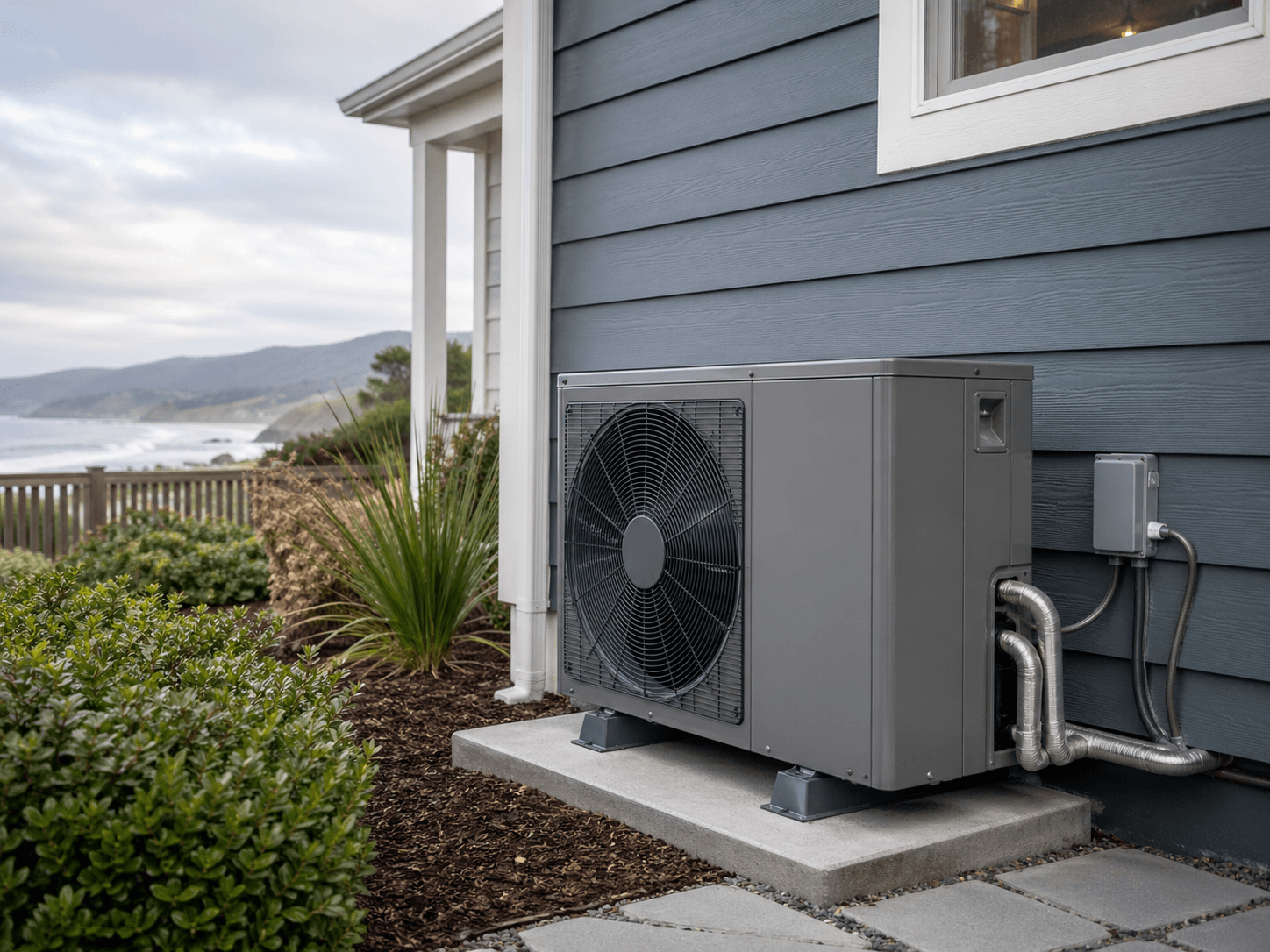
Is a Heat Pump Worth It for Pacifica Homes? Installation Factors to Compare
3 min read

Is a Heat Pump Worth It for Pacifica Homes? Installation Factors to Compare

Learn More
Sewer Replacement in Foster City: When Repair Stops Making Sense
3 min read

Sewer Replacement in Foster City: When Repair Stops Making Sense

Learn More
Electrical Panel Replacement in Burlingame and Tiburon: What Homeowners Should Compare First
3 min read

Electrical Panel Replacement in Burlingame and Tiburon: What Homeowners Should Compare First

Learn More

Frequently Asked Questions

A furnace tune-up focuses on safe, efficient operation: inspection of heat exchanger and venting where accessible, burner and ignition health, airflow and filter assessment, safety controls, electrical connections visible on the appliance, and performance observations that explain whether repairs or a replacement timeline makes sense. Exact steps vary by equipment type and access; technicians document what they saw in plain language.

Most manufacturers recommend annual heating maintenance before the heavy-use season. Coastal and mild-climate homes still accumulate dust and stress ignitors and safety switches - skipping years is when small issues become mid-winter no-heat calls.

A tune-up is a single visit focused on your furnace (or broader HVAC scope if you book that way). Home Health Plans bundle scheduled maintenance across plumbing and HVAC with written condition notes and planning conversations - see sugarbearhomeservices.com/home-health-plans. Comfort Club members may receive member benefits on maintenance; ask when you call (650) 618-9680.

When diagnostics find cracked heat exchanger indicators, failed ignitors, bad flame sensors, weak inducer motors, or high CO risk, the visit shifts to documented repair options with flat-rate pricing before work proceeds - consistent with the Repair-First Promise on the No Surprises Pricing page.

Sugar Bear holds C-36 plumbing, C-20 HVAC, and C-10 electrical under CSLB #946657. If maintenance uncovers gas line concerns, condensate or humidifier plumbing issues, or electrical capacity problems at the furnace or air handler, one company can coordinate the fix instead of three separate vendors.

Yes for heat pumps and standard forced-air furnaces in our HVAC scope. If you have hydronic or boiler equipment, call (650) 618-9680 so dispatch can confirm the right technician and tools. Related: sugarbearhomeservices.com/services/heat-pump-repair and sugarbearhomeservices.com/services/heating-repair.

Family at home learning about Sugar Bear services

Customers Rave About Us!

Discover the Sugar Bear Difference

Contact Us Today