A plumbing emergency can hit without warning, and the first 15 minutes usually determine whether the outcome is a quick repair or major water damage. If you are searching plumbing emergency, emergency plumbers, or emergency plumbing repairs, this checklist helps you stabilize the situation before the technician arrives.
Need an Emergency Plumber Right Now?
If water is actively flooding, sewage is backing up, or your plumbing is fully stopped up, call immediately. In this region, response speed and proper shutoff steps matter more than temporary DIY guesswork.
Query note: some users search emergancy plumbers with a misspelling. We address that intent here naturally, but optimize around the correct emergency plumber and plumbing emergency service terms.
1) Shut Off Water at the Right Valve
The first action in any plumbing emergency is isolating water flow.
- Main shutoff for whole-home flooding
- Fixture shutoff when a single sink, toilet, or supply line fails
- Street-side meter shutoff if interior valves are inaccessible
If your valve is stuck, do not force it until it snaps. Call for guided instructions while dispatch is in progress.
2) Turn Off Water Heater Power or Gas
After water isolation, turn off your water heater to prevent overheating and pressure damage.
- Gas units: switch to pilot or off
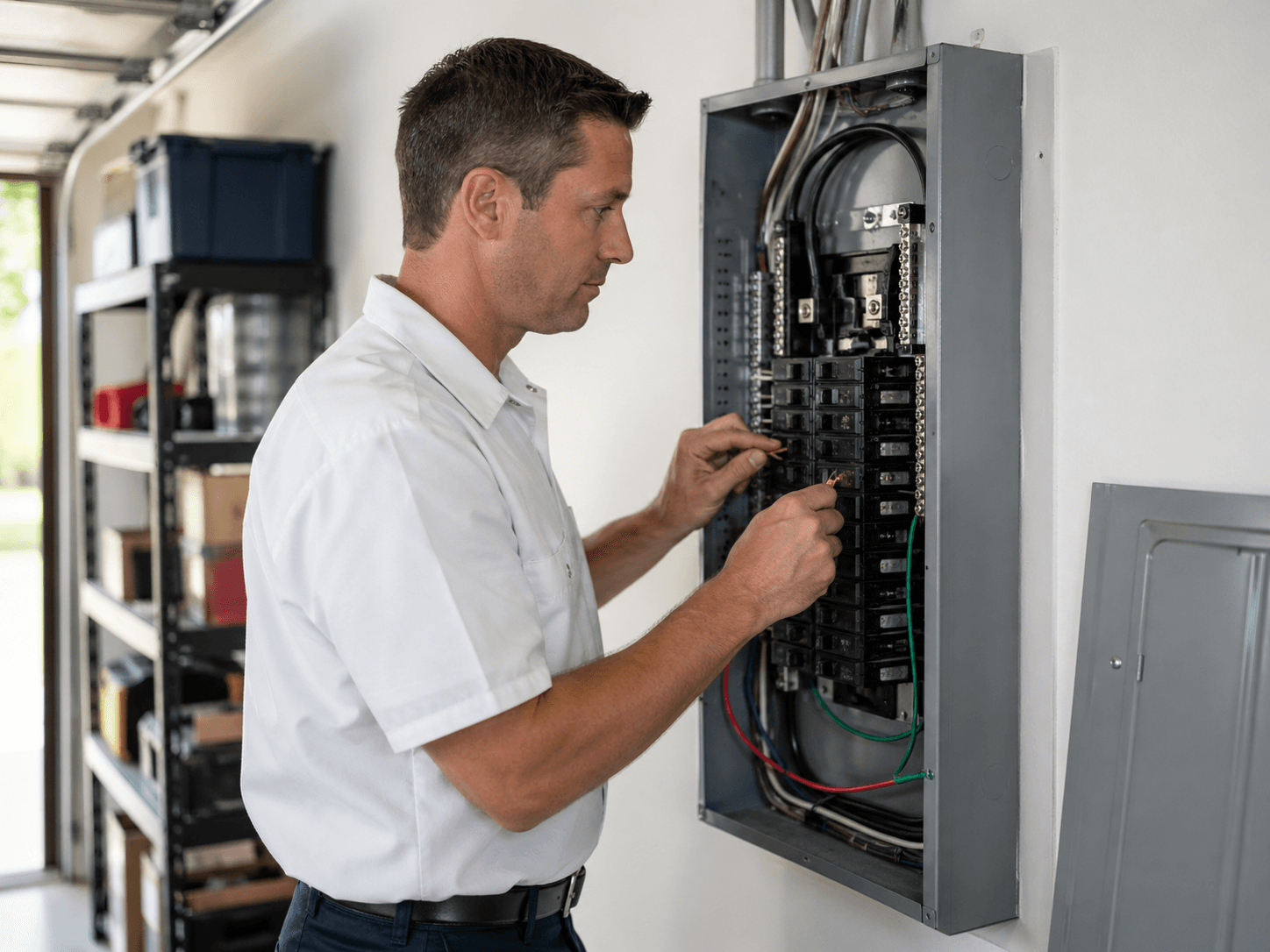
- Electric units: shut off dedicated breaker
- Tankless: use power switch or breaker
3) Relieve Pressure and Limit Secondary Damage
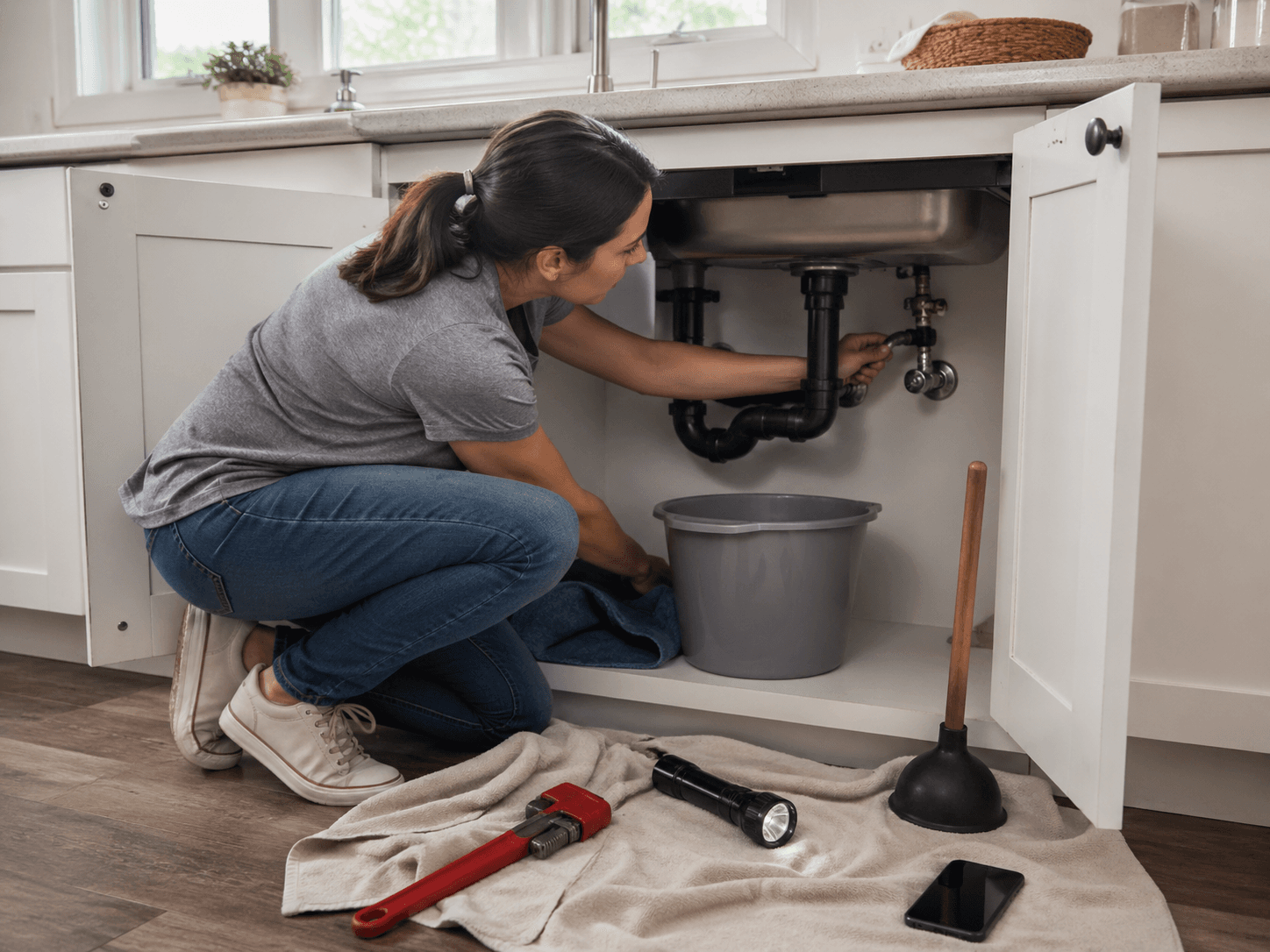
Open a faucet at the lowest level to drain residual line pressure. Move rugs, electronics, and furniture out of wet zones. Use towels, buckets, and wet vacs to contain spread while waiting for emergency plumbers.
4) Avoid Risky DIY During Active Emergency Plumbing
Do not use chemical drain cleaners during backups or standing sewage. Do not open walls or attempt gas line fixes. Do not operate electrical devices around standing water.
For stopped up plumbing or blocked drain emergencies, temporary containment is safer than aggressive DIY attempts that can worsen pipe damage.
5) Document the Plumbing Emergency for Insurance
Take photos and short videos before cleanup:
- Leak source
- Water spread path
- Damaged materials and personal property
- Time discovered and time water was shut off
This documentation helps claims and repair-scope verification.
6) What Counts as a True Plumbing Emergency?
Call for urgent plumbing dispatch when you have:
- Burst or actively leaking supply lines
- Sewage backing up into fixtures
- Multiple drains failing at once with rising wastewater
- No water service affecting safe occupancy
- Water heater leak with active structural risk
A slow single drain or minor drip usually qualifies for standard scheduling, not emergency plumbing services.
7) Questions to Ask Before You Approve Emergency Work
When the dispatcher answers, ask:
- Estimated arrival time
- Whether after-hours pricing differs
- Whether quote is written before work starts
- License and insurance verification
- What temporary actions are safest before arrival
These questions help you choose reliable emergency plumbers and reduce pricing surprises.
Be Ready Before the Next Emergency
Label shutoff valves, keep a flashlight and adjustable wrench accessible, and save a trusted emergency plumbing contact now. Prepared households reduce both repair scope and stress when something fails.
Related services:
If you need immediate help, call (650) 618-9680 for live dispatch.