Garbage Disposal Installation | San Francisco Bay Area | Sugar Bear Home Services
It's the middle of a dinner party in the Sunset District, and suddenly, your sink backs up. That ominous sound of a garbage disposal humming but not spinning often signals that your kitchen's hardest worker is quitting right when you need it most.
Navigating local architecture requires understanding delicate plumbing ecosystems. Older Victorian and Edwardian homes depend on the P-trap - that U-shaped pipe designed to hold water and block sewer gases - which frequently struggles against modern waste demands. In practice, forcing a high-torque motor onto vintage plumbing without proper calibration often creates vibration and leaks.
Sugar Bear Home Services ensures your upgrade balances motor power with these unique constraints. Professional installation in the San Francisco Bay Area is not just about grinding food; it is about protecting your cabinetry and ensuring code compliance. We restore peace to your kitchen by ensuring your system is calibrated for longevity.
5 Red Flags That Say Your Disposal is Done
If you flip the switch and hear a low hum but see no movement, your unit is likely jammed or the motor is seizing. Before assuming the worst, check the red reset button on the bottom of the canister; if you find yourself crawling under the sink to press that button every time you rinse a dish, the internal electrical components are likely failing.
Water accumulating in your cabinet is often the final nail in the coffin for an old unit. While a loose pipe fitting is an easy fix, repairing a leak caused by a cracked internal seal is impossible. This specific failure means the barrier between the water and the motor has breached, turning your appliance into a safety hazard rather than a helper.
Beyond the obvious puddles, keep an eye - and ear - out for these common signs of failure:
- A hum with no grind (motor seizure).
- Water dripping specifically from the bottom of the motor housing.
- Persistent "rotten egg" odors that resist cleaning (decay trapped in the motor).
- Metal-on-metal clanking sounds (loose internal components).
- Frequent clogging, even with small amounts of food.
Once you realize it's time to replace the unit, the next step is ensuring your new one has the power to handle San Francisco's sourdough crusts without choking.
Choosing Your Muscle: Why HP Ratings Matter for Sourdough and Artichokes
Think of the motor rating like the difference between a standard blender and a high-end food processor. While a basic unit might handle soft fruit scraps, it will struggle against the dense crust of a tartine sourdough or fibrous celery strings. We recommend prioritizing high-torque motors, which spin the internal grinding rings with enough force to liquefy tough waste instantly, preventing the dreaded "hum and jam" that plagues older Bay Area plumbing.
Match the power level to your family's cooking volume to ensure efficiency:
- 1/2 HP (Light Duty): Best for singles or couples who eat out often; handles soft foods like cereal or fruit pulp.
- 3/4 HP (The Sweet Spot): Ideal for families of 3-4; handles vegetable peels and small bones with ease.
- 1 HP (Heavy Duty): Perfect for frequent entertainers; grinds tough waste like corn husks and coffee grounds without hesitation.
Power does not necessarily mean noise. In fact, top-rated quiet models usually feature higher horsepower because they come equipped with superior sound insulation and vibration-dampening mounts. Investing in a robust 3/4 or 1 HP unit offers a solid return on investment by pulverizing waste fine enough to flow through vintage pipes without snagging, keeping your kitchen running smoothly until you are ready to sort the rest into the compost bin.
The San Francisco Green Rule: Disposals vs. Composting Regulations
Living with green bins does not mean abandoning your sink's grinder under San Francisco food waste disposal regulations. Your disposal handles the wet, sticky remnants - like sauce or cereal milk - that are too messy for the compost pail, ensuring only solid organic matter hits the green bin to keep your kitchen sanitary.
High-quality units bridge the gap between disposal and compost for Bay Area residents by grinding particles into a near-liquid state to prevent "fatbergs" in aging sewer lines. When waste is shredded finely, it flows to the wastewater plant where solids are often converted into renewable energy, turning your daily cleanup into a secondary environmental benefit.
Strict Bay Area plumbing codes exist to protect your potable water from backflow contamination. Local rules mandate specific air gaps to stop dirty drain water from siphoning into your dishwasher, a complex safety requirement that leads directly to the importance of professional mounting and sealing.
The 'Bear-Strong' Installation: Why We Don't Just 'Screw It On'
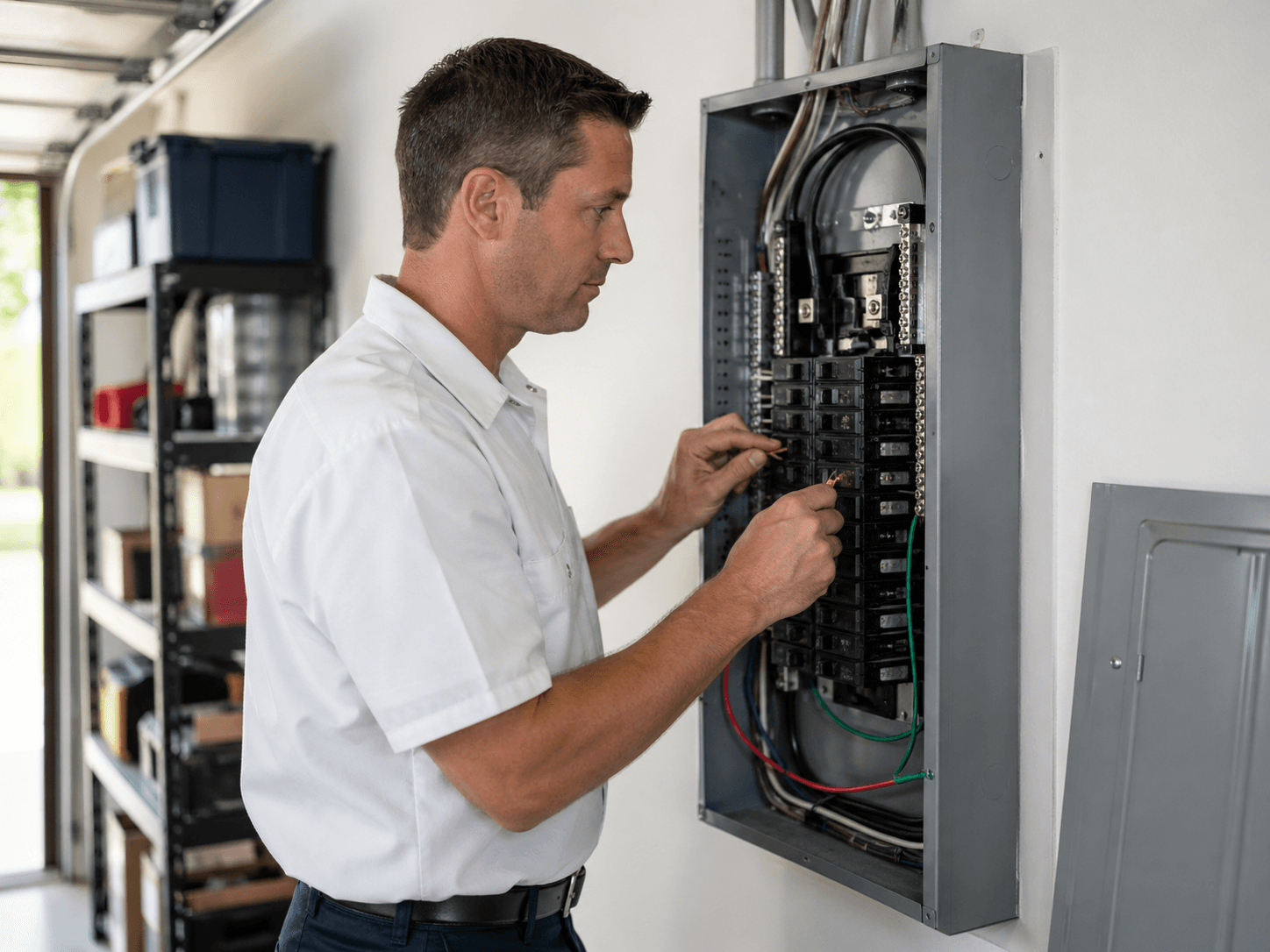
While the drain pipes usually get all the attention, the hidden electrical work is where safety truly matters in a professional setup. Many older San Francisco homes share a single circuit for the entire kitchen, meaning your lights might flicker or the breaker might trip every time you flip the switch on a powerful 1 HP unit. Our technicians inspect your wiring to ensure it sits on a dedicated circuit, preventing electrical overloads and ensuring your kitchen meets modern fire safety standards.
Once the power is secure, we address the critical link between your cleaning appliances. A small, often overlooked plastic seal called a "knockout plug" sits inside the disposal's inlet, and failing to remove it is the most common reason dishwasher connections result in a flooded cabinet. We mechanically remove this barrier to guarantee that water from your rinse cycle flows freely into the disposal rather than backing up into the bottom of your dishwasher.
Securing the unit involves more than just tightening a few bolts; it requires stabilizing the heavy motor against the sink basin to prevent leaks. Standard mounting hardware often transmits the motor's energy directly into the counter, causing the entire sink to shudder like an unbalanced washing machine. We utilize specialized vibration-dampening mounts to isolate the movement, protecting your vintage porcelain or stainless steel sink from stress cracks while keeping the operation whisper- quiet.
Real durability comes from anticipating how the vibration, water pressure, and electrical load interact over time. Installing a disposal correctly is not just about making it run today; it is about ensuring the flange stays sealed and the pipes remain dry for years to come. With the hardware properly secured, the only thing left is maintaining that like-new performance with a few daily practices.
3 Simple Habits to Keep Your Disposal 'Bear-Strong' for a Decade
Turning on the cold tap before you flip the switch is the single easiest way to protect your plumbing ecosystem. While hot water melts fat, cold water solidifies grease into small beads that the unit flushes away, preventing the deep-pipe buildup that eventually necessitates repairs.
You do not need harsh chemicals to fight odors; a simple tray of ice cubes often does the job better. Grinding ice creates a slush that acts like a coarse scrub brush against the internal components, scouring away stubborn sludge without damaging the waterproof seal.
Even the strongest motor has kryptonite, and avoiding specific items can save you from replacing the unit prematurely. Keep your Bay Area kitchen flowing freely by strictly banning these Top 4 offenders:
- Fibrous vegetables (artichokes, celery)
- Coffee grounds
- Eggshells
- Hot grease or oil
Your Path to a Clog-Free Kitchen: The Sugar Bear Guarantee
Upgrading your unit upgrades your kitchen to a quiet, efficient workspace. Instead of navigating the risks of electrical connections and vintage pipes alone, you can secure the certainty of a Bear-Strong installation that protects your cabinetry and ensures valid warranty coverage.
When you are ready for a reliable replacement, trust the team that treats your home like their own. Contact Sugar Bear Home Services today for professional kitchen plumbing support in Oakland and San Jose. Let us handle the heavy lifting so you can get back to enjoying your dinner.