Dishwasher Installation San Francisco Bay Area Sugar Bear Home Services
Nothing ruins a kitchen upgrade faster than a slow leak hidden behind a new cabinet. In the San Francisco Bay Area, where housing ranges from modern condos to century-old Victorians, a standard dishwasher installation is rarely straightforward. Connecting high-efficiency machines to vintage plumbing without the right expertise invites risks that go far beyond a simple drip.
Ignoring local codes often leads to expensive consequences, as industry data identifies improper drainage as a leading cause of water damage. Essential requirements like the air gap are critical for preventing leaks during dishwasher setup and stopping sewage backflow. Sugar Bear Home Services navigates these strict local standards, ensuring your new appliance protects your home rather than endangering it.
Measuring for Success: How to Avoid the Too-Tall Dishwasher Disaster in Older Bay Area Kitchens
In a pristine showroom, every dishwasher fits perfectly, but Bay Area kitchens often tell a different story. Decades of renovations in San Francisco homes frequently result in layers of new flooring stacked on top of old linoleum, subtly shrinking the vertical space under your countertop. Before ordering that sleek new model, you need to determine your rough opening dimensions to ensure the appliance will not get stuck halfway in or fail to clear the countertop lip.
Don't just measure the empty hole; investigate the surfaces. Grab your tape measure and capture these three critical numbers:
- True Height: Measure from the subfloor (the surface the dishwasher actually sits on, not just the visible tile) to the underside of the countertop.
- Narrowest Width: Check the width at the top, middle, and bottom of the opening, using the smallest measurement to guide your purchase.
- Functional Depth: Measure from the back wall to the cabinet face, subtracting two inches to accommodate the drain hose and electrical cord.
Getting the sizing right prevents the headache of a protruding door or a jammed unit. With the physical space confirmed, we turn our attention to a critical local safety requirement that confuses many homeowners: the air gap.
Decoding the Air Gap: Meeting San Francisco Plumbing Codes to Prevent Sewage Backflow
Many Bay Area homeowners stare at the small chrome cylinder sitting next to their faucet and wonder if it serves a purpose beyond cluttering the sink deck. This device, known as an air gap, acts as a critical physical barrier between your clean dishes and your home's sewage system. Think of it as a one-way security gate; if your kitchen sink clogs, the air gap ensures dirty wastewater spills harmlessly into the sink basin rather than siphoning back into your fresh dishwasher cycle.
While some regions allow a high loop method hidden inside the cabinet, the strict California plumbing code for kitchen appliances mandates a physical air gap for superior protection. This requirement is particularly vital in San Francisco's older housing stock, where aging pipes are more prone to slow drains and backups. Installing an air gap for dishwasher drainage guarantees that you remain compliant with local regulations and keeps your manufacturer's warranty valid, protecting your new appliance from contaminated water.
To verify your setup is safe, trace the grey corrugated tube from your appliance; it must connect directly to the chrome cylinder before flowing into the garbage disposal. Proper dishwasher drain hose installation prevents the common headache of finding standing water in the bottom of your machine. Once you have secured a sanitary drainage path, the final hurdle involves the invisible but crucial flow of electricity.
Powering Up Safely: Choosing Between Hardwired and Plug-In Connections for Modern Efficiency
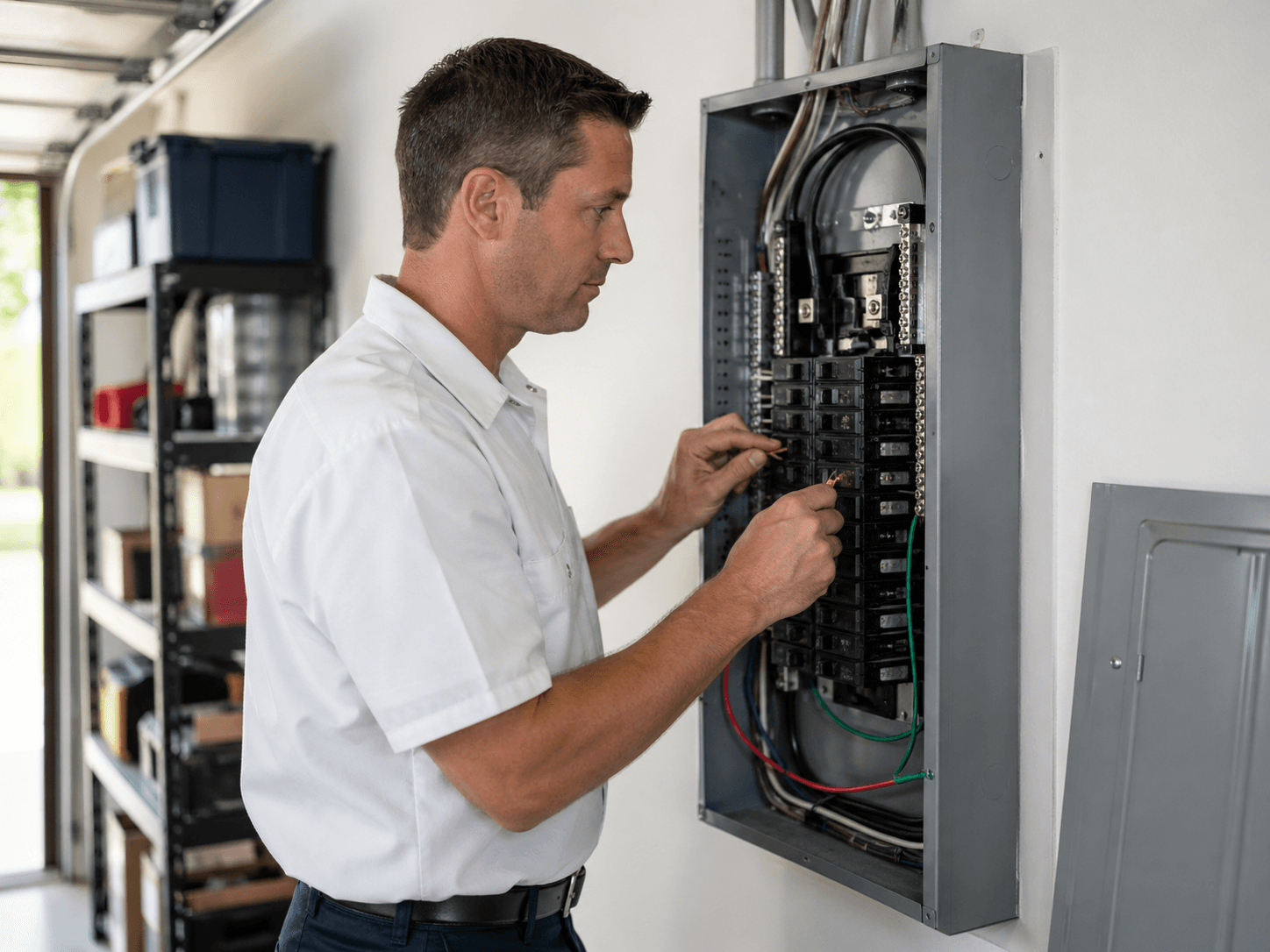
Modern appliances frequently arrive with a standard three-prong plug, yet many San Francisco kitchens still rely on direct connections where the machine is permanently linked to the electrical box. This mismatch creates a critical decision point regarding hardwired vs plug-in dishwasher installation. While a plug-in setup allows for easy disconnection during servicing, older spaces often lack the under-sink outlet required by current standards. Hardwiring a dishwasher correctly involves handling live wires and junction boxes, a process that offers a streamlined look but demands strict adherence to safety protocols.
Comparison: Hardwired vs. Plug-In Connections
Hardwired
Offers a secure, low-profile connection but makes future repairs difficult as the unit cannot be easily unplugged.
Plug-In
Allows for simple maintenance and meets modern safety codes, though it requires space for a new GFCI outlet box.
Your home's electrical capacity is just as vital as the connection style. High-efficiency units need a dedicated 15-to-20-amp circuit; think of it like a private lane on the Bay Bridge that prevents your wash cycle from competing with the microwave. If assessing how to wire a dishwasher reveals your kitchen shares one overloaded circuit, you risk frequent breaker trips or damaging the unit's sensitive electronics.
Dealing with voltage in a vintage Victorian or Edwardian home requires more than just matching wire colors. If the existing wiring looks brittle or the circuit panel is full, the project shifts from a simple appliance swap to a complex infrastructure update best handled before you slide the new unit into place.
When to Call the Bear: Recognizing the Risks of Century-Old Pipes and Stone Countertops
While connecting a hose might seem straightforward, integrating modern appliances into San Francisco's diverse housing stock often presents high-stakes challenges. Drilling into quartz or granite to secure your unit carries a risk of cracking the stone; a mistake that costs significantly more than a standard dishwasher installation charge. Furthermore, vintage plumbing in Edwardian flats can be brittle; a single wrong turn of a wrench on a corroded valve might turn a simple swap into an emergency repiping job. Weighing the upfront cost of hiring a licensed plumber vs DIY dishwasher install effectively comes down to liability protection: professional services transfer the risk from your checkbook to our insurance, ensuring that an accidental countertop chip or hidden leak does not become your burden.
Beyond preventing physical damage, expert handling ensures the machine actually operates as designed. Modern, ultra-quiet dishwashers rely on absolute precision to run silently; without professional dishwasher mounting and leveling, even a top-tier unit can rattle against the cabinet frame or fail to drain completely. Many manufacturers also stipulate that full warranty coverage depends on certified installation, meaning a small DIY error could void your protection immediately. Letting the experts handle these technicalities guarantees your investment is safe and ready for the final quality assurance tests.
Your Post-Installation Checklist: Three Critical Tests for a Leak-Free, Whisper-Quiet Kitchen
With your new unit in place, your focus shifts to protection. During the initial cycle, verify the drain hose clears the disposal blades and perform a rigorous leak check. This attention to detail prevents common headaches and simplifies troubleshooting dishwasher drainage issues after installation. A simple maintenance routine for your air gap and filter will keep your machine handling Bay Area dinner parties for years to come.
True success is measured by a silent cycle and a bone-dry floor. Recognizing the intricacies of local plumbing often reveals that a professional dishwasher installation fee is a small price for total peace of mind. Whether you manage the connections yourself or trust Sugar Bear Home Services to handle the heavy lifting, you now possess the insight to ensure your kitchen upgrade is safe, compliant, and built to last.