Mini Split AC Repair San Francisco Bay Area Sugar Bear Home Services
Living in the Sunset District often means waking up to Karl the Fog, only to have your living room feel like a greenhouse by noon. These rapid shifts from damp chill to sudden heat put a specific strain on your ductless mini split. When the system struggles to match the Bay Area's mood swings, you need a local expert who understands why.
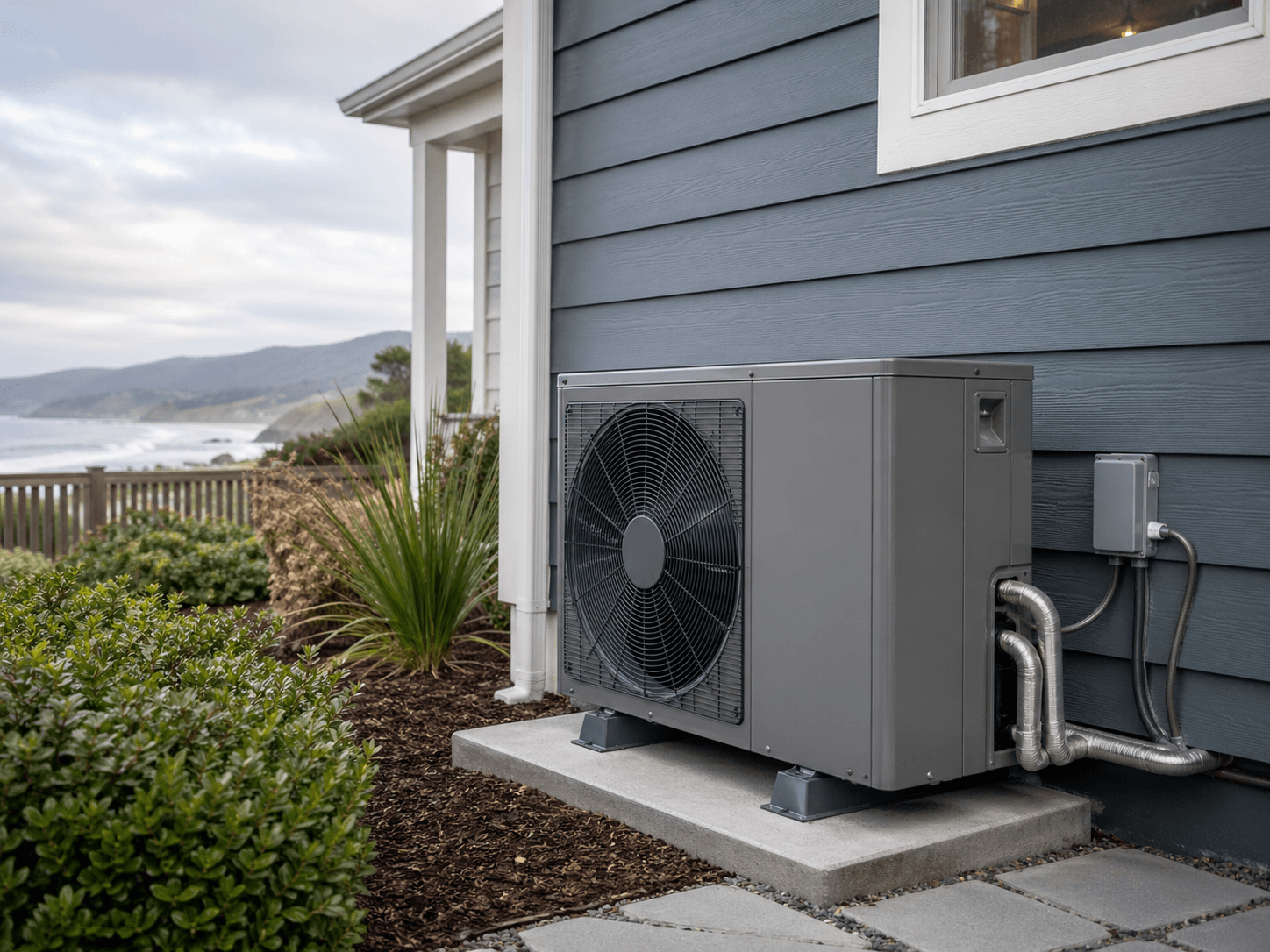
Think of your mini split HVAC unit as a "heat courier" rather than a standard furnace. It efficiently moves ambient heat from outdoors to indoors instead of burning fuel to create it. However, battling our salty coastal air eventually wears down this courier, making professional Mini Split AC Repair vital for maintaining performance.
Ignoring minor issues like weak airflow instantly drops efficiency, leading to spiking energy costs. Sugar Bear Home Services specializes in diagnosing these specific San Francisco Bay Area challenges. Proactive care ensures your system remains the quiet, money-saving solution you expect.
Why Isn't My Mini Split Blowing Cold Air? 3 Checks Before You Call a Pro
San Francisco microclimates mean your home can feel like a freezer in the morning and a sauna by midday. If you find yourself asking, "Why isn't my mini split blowing cold air?" right when the sun hits your windows, don't panic immediately. Just like a laptop that needs a reboot, modern comfort systems sometimes experience minor glitches that don't require a service truck.
Mini split HVAC systems rely heavily on unobstructed airflow to function efficiently. Think of the air filters as the system's lungs; if they are clogged with dust or pet dander, the unit cannot "breathe" in the heat from your room to replace it with cool air. Before assuming the compressor has failed, run through these basic diagnostics:
- Inspect the Filters:Open the front panel. If you see a thick layer of gray fuzz, you've likely found the airflow blockage.
- Verify Remote Settings:Ensure your remote displays the "snowflake" icon (Cool Mode). It is easy to accidentally bump the button to "Fan" or "Dry" mode, which won't lower the temperature effectively.
- Perform a Hard Reset:Resetting ductless AC error codes or clearing software glitches is often as simple as flipping the unit's circuit breaker to "OFF" for 30 minutes, then flipping it back on.
A mini split not cooling properly fix might be just that simple power cycle, which resets the internal computer logic. However, if these steps don't restore the chill, or if you see flashing lights on the indoor unit, the issue is likely mechanical. If your quick check revealed filters coated in a thick blanket of dust, you need to address that immediately to prevent motor strain.
How to Clean Mini Split Filters and Indoor Units Like a Pro
Maintaining your home's comfort in the Bay Area requires fighting back against our unique environment. Since our famous coastal fog carries salt and moisture, ignoring your system accelerates internal corrosion and drives up energy costs. Learning how to clean mini split filters is your first line of defense, potentially extending the unit's lifespan by 3-5 years and keeping your utility bills predictable.
Whether you are researching how to clean a Mitsubishi mini split or another brand, the core steps remain the same. Execute this simple routine monthly to maintain peak efficiency:
- Power Down: Always flip the circuit breaker off before opening the unit to ensure safety.
- Remove and Rinse: Slide out the mesh filters and wash them with warm water; think of this like emptying a dryer lint trap to let the system breathe.
- Inspect the Interior: While the filters air dry, look at the metal fins (evaporator coil) behind them for any gray buildup or salt residue.
If that visual inspection reveals grime packed between the fins, put down the toothbrush. Deep cleaning these delicate components requires the specific antimicrobial tools found in a professional mini split evaporator coil cleaning guide, as DIY scrubbing often bends the fins and permanently restricts airflow. However, if your clean unit starts dripping water onto the floor, the problem has likely moved from simple airflow to a drainage failure.
Why Is My Mini Split Leaking Water? Identifying Clogged Lines and Refrigerant Leaks
Seeing water trickle down your wall is alarming, but it often stems from the system simply doing its job too well without a clear exit path. Just as a cold drink sweats on a foggy San Francisco afternoon, your mini-split pulls moisture from the air to dehumidify your home. This water collects in a drain pan and usually flows outside unnoticed, but when that pathway is obstructed, gravity forces the overflow directly into your living space, leaving you wondering why is my mini split leaking water.
Over time, the dust captured by the unit mixes with this condensate to create a sludge that blocks the narrow exit tubing. Clogged condensate drain line symptoms typically appear as sudden splashes or a steady drip from the bottom of the wall unit, threatening expensive drywall repairs if ignored. In many Bay Area homes with multi-zone systems, the issue might actually be a failed condensate pump - a small mechanical device used to push water uphill - which creates the same messy result when it stops functioning.
While water issues usually indicate a drainage blockage, puddles can sometimes signal a more serious thermal failure involving the system's chemical courier. When refrigerant levels drop, the indoor coil gets unnaturally cold and freezes over like an unchecked freezer, only to melt rapidly once the cycle ends. Mini split refrigerant leak symptoms often include this cycle of freezing and thawing, accompanied by a subtle hissing sound or a sweet chemical odor that demands immediate professional attention.
Distinguishing between a simple clog and a complex leak requires a trained eye, as misdiagnosing the root cause often leads to recurring damage. A Sugar Bear technician can quickly trace the source of the moisture, ensuring that your minisplit repair addresses the actual failure point rather than just the symptom. Securing the right diagnosis is the vital first step toward restoring the reliable, silent comfort your home deserves.
Choosing the Right Fix: Your Roadmap to Year-Round Comfort with Sugar Bear
You no longer have to guess why your system is struggling against the San Francisco fog or heat spikes. Now, you can confidently weigh the ROI of a fix versus an upgrade. If a repair estimate exceeds half the cost of a new unit, switching to modern inverter technology efficiency benefits is often the smarter financial move for long-term savings.
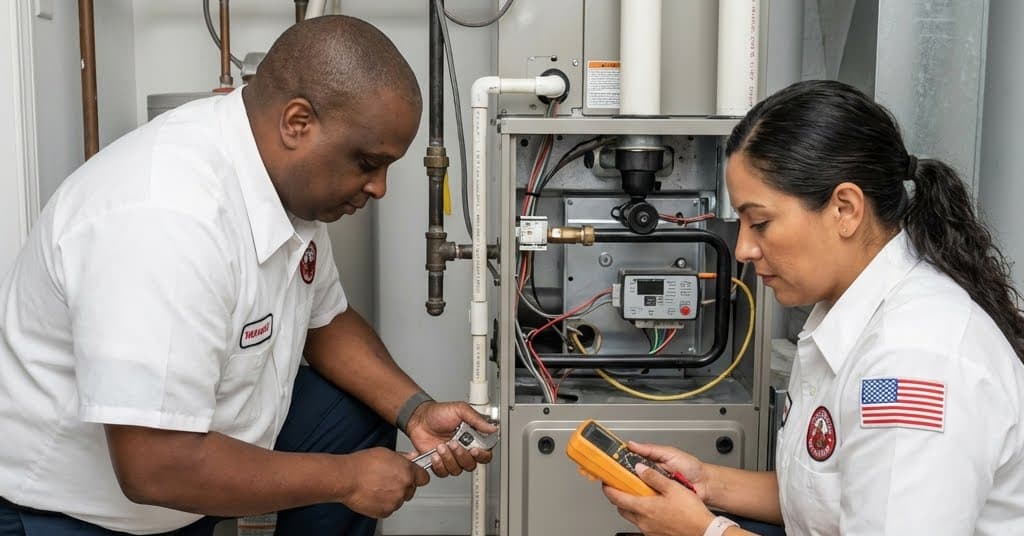
When you schedule a visit, we don't just patch the problem; we optimize your system to handle our specific coastal environment. A standard service visit ensures your unit runs efficiently through:
- Refrigerant level check
- Drain line flush
- Electrical connection tightening
- Performance testing
Don't let your home comfort swing wildly with the local weather patterns. Trust Sugar Bear Home Services to restore reliable heating and cooling. Whether you need professional HVAC repair San Francisco locals trust or honest advice on when to replace mini split vs repair, we are here to help. Contact us today to get your home feeling "just right" again.