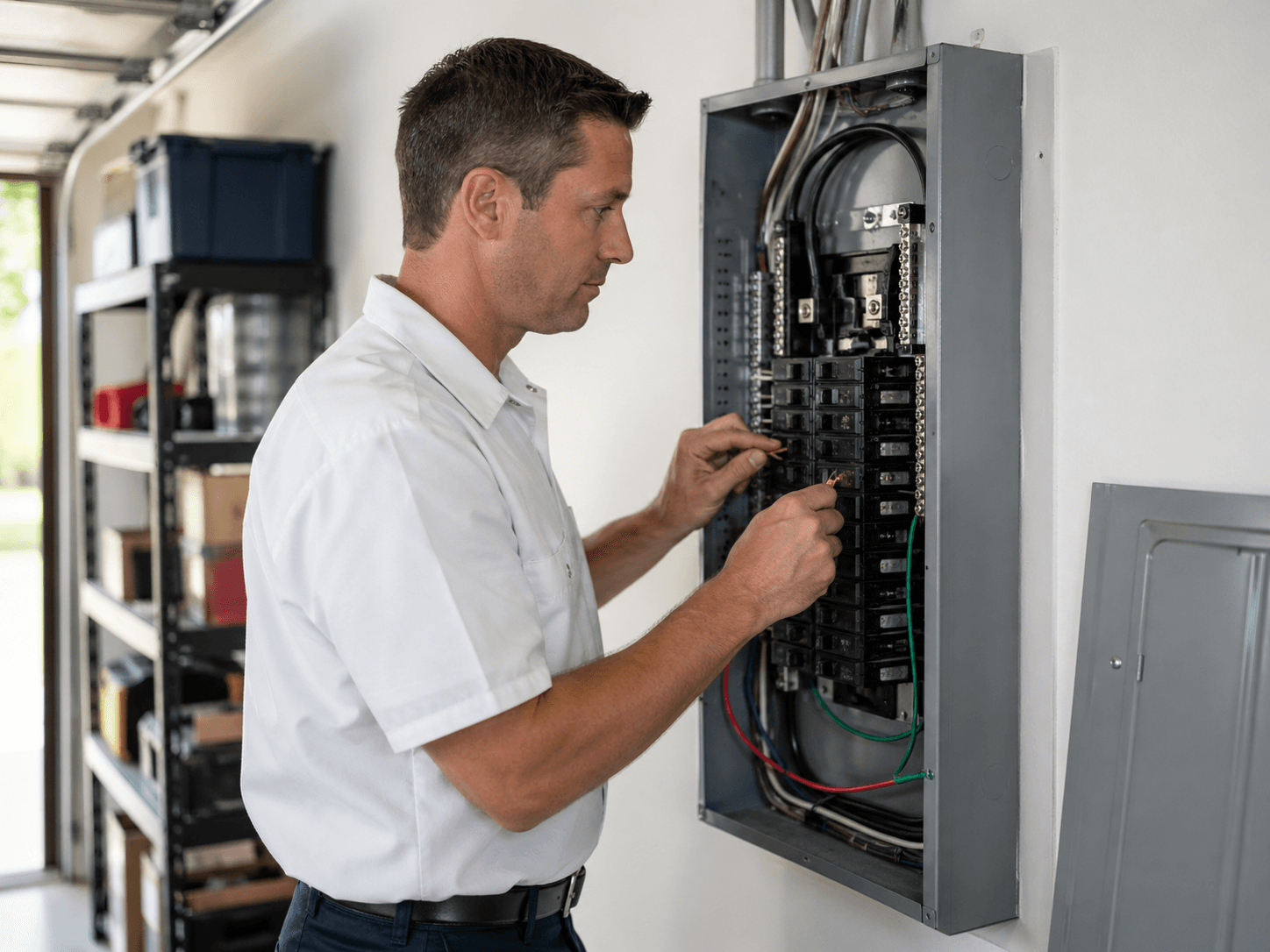
A failing water heater can turn a normal morning into an emergency. In South San Francisco homes, replacement planning is most reliable when you evaluate three items first: physical fit, panel capacity, and permit compliance requirements.
Efficiency standards and electrification trends can also influence equipment choice, so early planning helps avoid scope changes and delays.
Summary
Smooth replacement projects depend on selecting a code-ready system, confirming installation constraints, and preserving documentation for permits and rebate filing. Common missteps include underestimating electrical requirements and missing incentive eligibility details before the job begins.
3 Red Flags Your Water Heater Is About to Fail
- Age over ten years for traditional tanks.
- Deep popping or knocking from sediment buildup.
- Rust at the base, leaking temperature and pressure valve, or shifted venting.
Choosing Gas, Electric, Tankless, or Heat Pump
| System Type | Space Impact | Complexity |
|---|---|---|
| Standard tank | Higher footprint | Lower for direct swaps |
| Tankless | Small wall footprint | Higher (often venting or gas-line updates) |
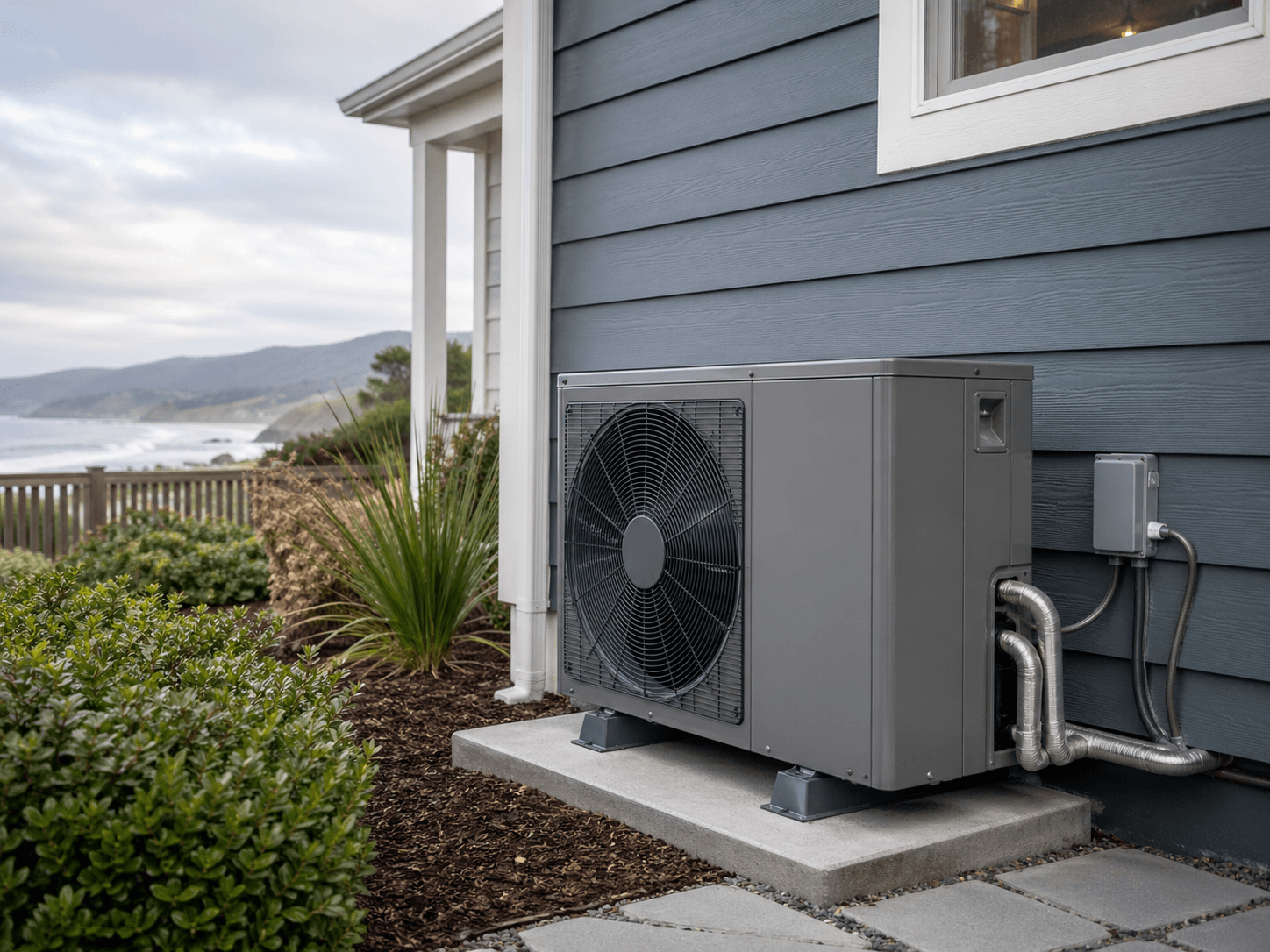
| Heat pump | Moderate | Medium to high (electrical dependent) |
Known Local Pricing Ranges
Based on existing pricing across your site, replacement projects commonly fall in these ranges:
- Standard tank water heater replacement: $1,800 to $2,800
- Tankless or heat pump replacement: $3,200 to $4,500+
- Overall water heater replacement range used across service pages: $1,800 to $4,500+
Permits, Earthquake Strapping, and Safety Compliance
- Two-point seismic strapping anchored to studs.
- Expansion management where required.
- Code-compliant venting clearances and routing for gas units.
- Drip pan and proper drain path for leak protection.
Rebate Strategy: BayREN, State, and Federal Stacking
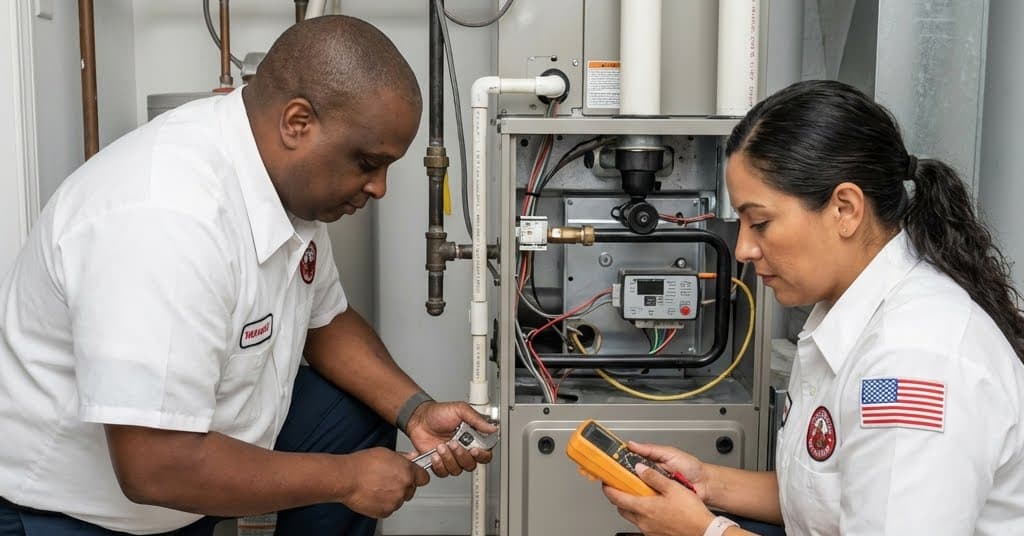
Electrification upgrades can qualify for significant incentives when programs are stacked correctly. Verify contractor qualifications before signing, then preserve permits, invoices, and model details for rebate and tax-credit filing.
Your 4-Step Action Plan
- Confirm fit, panel capacity, and fuel path before selecting equipment.
- Choose a code-compliant system sized to household recovery needs.
- Complete permit and inspection workflow with documentation in hand.
- File rebates and tax credits immediately after completion.
Q&A
What local rules affect my water heater replacement choices in South San Francisco?
Three major constraints shape most projects: installation space, electrical panel capacity, and permit/code compliance. California efficiency requirements and local electrification direction often influence whether gas, electric, or heat pump systems are most practical.
How can I tell if my current water heater is close to failing?
Key warning signs include age over ten years, popping or knocking sounds, rust around the base pan, and water near the temperature and pressure valve. Gas units should also be checked for proper vent alignment to avoid unsafe exhaust issues.
How do standard tank, tankless, and heat pump options compare in tight layouts?
Standard tanks are often simplest for direct replacement, tankless units save floor space and provide continuous hot water, and heat pump systems offer high efficiency but may require electrical upgrades in older homes.
What permit and safety items should I expect during inspection?
Inspectors generally verify seismic strapping, expansion control, proper venting clearances (for gas), and a compliant drip pan and drain path. Permit sign-off helps protect safety and reduces resale problems.
How do I maximize Bay Area rebates when switching from gas to electric?
Use stackable incentive programs when available, including BayREN and state or federal programs. Confirm your installer is qualified for rebate programs before contract signing and keep all invoices for reimbursement and tax-credit filing.
Continue with the main pillar: Drain Cleaning South San Francisco, CA.