When drains keep backing up, people often see three terms: hydroblasting, hydro-jetting, and snaking. They are related, but they are not always the same job type.
Snaking: Fast Access, Narrow Clearing
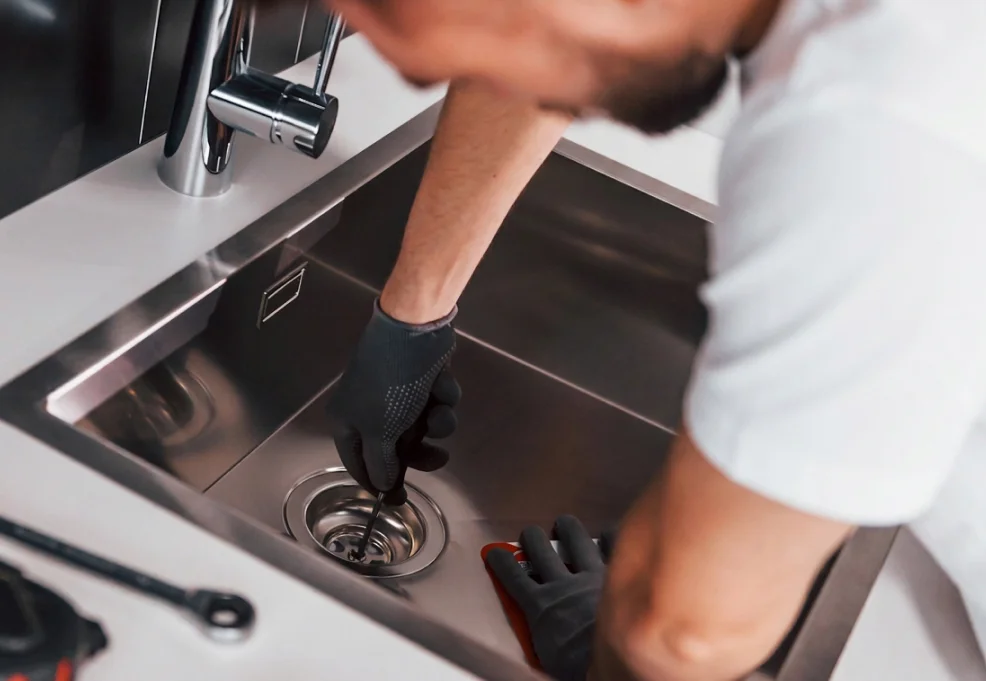
Snaking uses a cable and cutting head to break through obstructions. It is often the fastest low-cost way to restore flow when one fixture or one section is blocked.
Best when:
- You need immediate relief from a localized blockage
- Pipe condition makes high-pressure cleaning risky
Hydro-Jetting: Deep Sewer and Drain Cleaning
Hydro-jetting uses controlled high-pressure water to remove grease, sludge, and buildup across the full pipe wall. It is often the stronger long-term option for recurring sewer and drain issues.
Best when:
- You have repeat clogs
- You need full-line cleaning, not just a hole through blockage
- You want post-cleaning camera verification
Hydroblasting: Broader Industrial Term
Hydroblasting is a broader term often used in industrial/commercial cleaning contexts. In residential plumbing conversations, people usually mean hydro-jetting when they say hydroblasting.
Best when:
- You are discussing commercial-heavy cleaning scenarios
- You need to clarify service scope before booking
Quick Decision Guide
- One urgent clog: start with snaking
- Recurring main-line issues: hydro-jetting is usually stronger
- Unclear condition: run a camera inspection first
Related Services
Choosing the right method early reduces repeat calls and protects older Bay Area piping from avoidable damage.
Frequently Asked Questions
A furnace tune-up focuses on safe, efficient operation: inspection of heat exchanger and venting where accessible, burner and ignition health, airflow and filter assessment, safety controls, electrical connections visible on the appliance, and performance observations that explain whether repairs or a replacement timeline makes sense. Exact steps vary by equipment type and access; technicians document what they saw in plain language.
Most manufacturers recommend annual heating maintenance before the heavy-use season. Coastal and mild-climate homes still accumulate dust and stress ignitors and safety switches - skipping years is when small issues become mid-winter no-heat calls.
A tune-up is a single visit focused on your furnace (or broader HVAC scope if you book that way). Home Health Plans bundle scheduled maintenance across plumbing and HVAC with written condition notes and planning conversations - see sugarbearhomeservices.com/home-health-plans. Comfort Club members may receive member benefits on maintenance; ask when you call (650) 753-6015.
When diagnostics find cracked heat exchanger indicators, failed ignitors, bad flame sensors, weak inducer motors, or high CO risk, the visit shifts to documented repair options with flat-rate pricing before work proceeds - consistent with the Repair-First Promise on the No Surprises Pricing page.
Sugar Bear holds C-36 plumbing, C-20 HVAC, and C-10 electrical under CSLB #946657. If maintenance uncovers gas line concerns, condensate or humidifier plumbing issues, or electrical capacity problems at the furnace or air handler, one company can coordinate the fix instead of three separate vendors.
Yes for heat pumps and standard forced-air furnaces in our HVAC scope. If you have hydronic or boiler equipment, call (650) 753-6015 so dispatch can confirm the right technician and tools.