Summary:
AC Installation Costs in South San Francisco
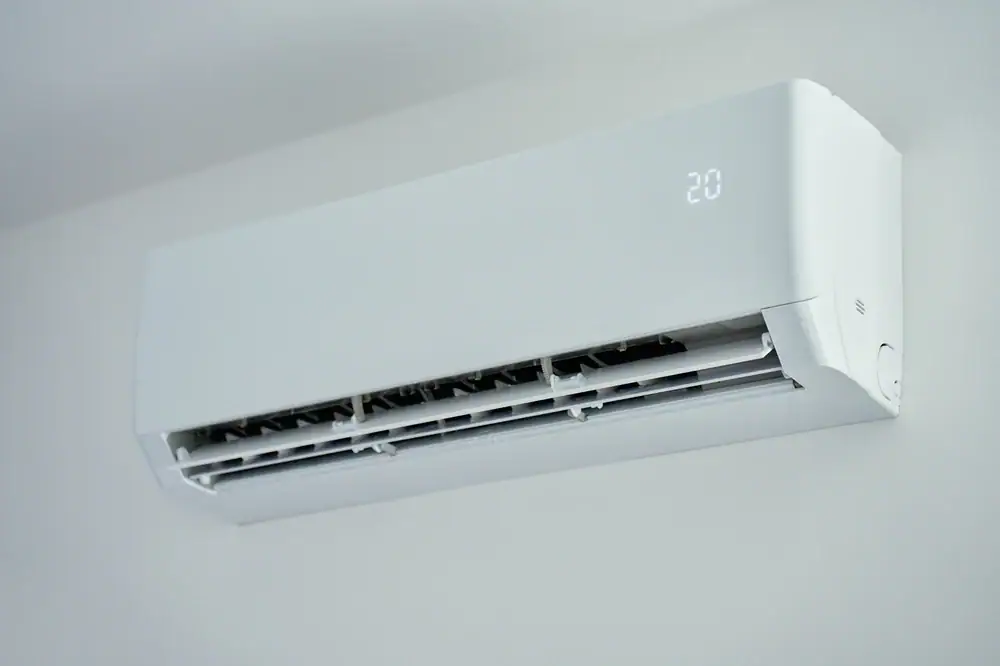
AC installation costs vary based on system type, home size, and complexity of the installation. Basic central air systems typically start around $3,000-$5,000 for equipment and installation, while high-efficiency units or complex installations can run $6,000-$10,000 or more.
South San Francisco’s moderate climate means you don’t need the heavy-duty systems required in hotter areas, but proper sizing is still crucial. This actually works in your favor cost-wise—you can often get away with smaller, less expensive units than homes in Sacramento or Fresno.
The wide price range reflects real differences in installation complexity. A straightforward replacement where we’re swapping similar equipment runs much less than a first-time installation requiring new electrical work and ductwork modifications.
What Affects Your AC Installation Cost
Several factors determine whether you’ll land closer to that $3,000 minimum or push toward $10,000 and beyond. Understanding these helps you budget accurately and avoid sticker shock.
System Type and Efficiency
Central air uses ductwork to distribute cool air throughout your home from one main unit, while ductless systems have individual units in each room connected to an outdoor condenser. Central air provides consistent whole-home cooling and works well if you already have ductwork. Ductless systems offer room-by-room control and work great in homes without existing ducts or for additions.
High-efficiency units cost more upfront but save money on utility bills. In South San Francisco’s mild climate, a mid-efficiency unit often provides the best value unless you’re planning to stay in the home long-term.
Home-Specific Factors
South San Francisco homes often need specific considerations for proper installation. We account for your home’s age, existing ductwork condition, and electrical capacity. If modifications are needed, we discuss options and costs upfront – no surprises halfway through the job.
Older homes frequently need electrical upgrades to handle modern AC units safely. Ductwork in poor condition wastes energy and reduces system performance, sometimes requiring partial or complete replacement. These aren’t optional upgrades—they’re necessary for safe, efficient operation.
Permits and Code Requirements AC installations typically require permits in South San Francisco, especially when electrical work is involved or you’re changing system types. We handle the permit process as part of our service, including applications, inspections, and ensuring everything meets local codes. The permit cost is usually included in our quote so there are no surprises. Having proper permits protects you if you sell your home later and ensures the work meets safety standards.
Central Air vs Ductless System Costs
Choosing between central air and ductless systems significantly impacts your installation cost and long-term satisfaction. Each works better in different situations, and understanding the cost implications helps you make the right choice.
Central Air Installation
If your home already has ductwork in decent condition, central air installation typically costs less overall. Central air provides consistent whole-home cooling and works well if you already have ductwork. The equipment costs range from basic single-stage units around $2,000-$3,500 to high-efficiency variable-speed systems reaching $4,000-$6,000.
Installation complexity varies dramatically based on your existing setup. Homes with accessible ductwork, adequate electrical service, and a good outdoor unit location see faster, less expensive installations. Older South San Francisco homes with cramped basements, outdated electrical panels, or challenging outdoor access require more labor and materials.
Ductless System Costs
Ductless systems offer room-by-room control and work great in homes without existing ducts or for additions. Single-zone systems start around $2,500-$4,000 installed, while multi-zone systems serving whole homes range from $5,000-$12,000 depending on the number of indoor units.
Ductless installation often proves less disruptive than central air, especially in homes without existing ductwork. The main cost drivers include the number of indoor units needed, refrigerant line lengths, and electrical requirements. Each indoor unit needs its own electrical connection and refrigerant lines to the outdoor condenser.
Which System Costs Less Long-Term
South San Francisco’s moderate climate means both systems can provide excellent efficiency. Central air typically costs less to maintain and repair, with standardized parts and widespread contractor familiarity. Ductless systems offer superior energy efficiency when cooling only occupied rooms but cost more for whole-house coverage.
Want live answers?
Connect with a Sugar Bear Home Services expert for fast, friendly support.
What's Included in Professional AC Installation
Professional AC installation involves much more than connecting equipment and turning it on. Understanding what should be included helps you evaluate quotes and avoid contractors who cut corners to offer lower prices.
Your AC installation covers everything from start to finish. We handle permits, disposal of your old equipment, and any necessary electrical work to bring things up to code. The installation includes proper refrigerant charging, ductwork connections, and thermostat setup.
You also get manufacturer warranty coverage on equipment plus our labor warranty on the installation work. We provide maintenance recommendations specific to your new system and keep records of your installation for future service needs.
Proper System Sizing and Load Calculations
Getting the right size AC unit makes the difference between comfortable, efficient cooling and an expensive mistake. Too many contractors guess based on square footage alone, leading to oversized or undersized systems that waste energy and fail to maintain comfort.
AC sizing depends on your home’s square footage, insulation, windows, and how many people live there. South San Francisco’s moderate climate means you don’t need the heavy-duty systems required in hotter areas, but proper sizing is still crucial. An oversized unit cycles on and off too frequently, wasting energy and not controlling humidity well. An undersized unit runs constantly and never quite keeps up.
We calculate the exact load requirements for your specific home rather than guessing based on square footage alone. This involves measuring your home, evaluating insulation levels, counting and measuring windows, assessing sun exposure, and accounting for heat-generating appliances.
Manual J Load Calculations
Professional load calculations follow industry-standard Manual J procedures that account for all factors affecting your cooling needs. This isn’t about selling you the biggest unit – it’s about finding what actually fits your space and usage patterns. We measure, calculate load requirements, and check your electrical capacity.
South San Francisco homes built in different eras have vastly different cooling requirements. Victorian homes with high ceilings and single-pane windows need different sizing than 1950s ranch homes with better insulation. Post-war homes often have adequate ductwork but may need electrical upgrades for modern equipment.
Avoiding Oversizing Problems
Oversized AC units create multiple problems that cost money over time. They cycle on and off frequently, never running long enough to remove humidity effectively. This leads to clammy indoor air even when temperatures feel right. The constant starting and stopping also increases wear on components, leading to more frequent repairs and shorter equipment life.
Installation Timeline and What to Expect
Understanding the installation process helps you prepare your home and schedule accordingly. Most AC installations are completed in a single day, but complex jobs may require additional time.
Most AC installations take 4-8 hours depending on your home’s setup and the type of system being installed. Straightforward replacements where we’re swapping similar equipment usually finish in 4-6 hours. More complex installations involving ductwork modifications, electrical upgrades, or switching system types can take a full day.
Day of Installation
Our professional installers arrive with all necessary equipment, permits, and materials. We protect your floors and furniture, then remove the old system if you’re replacing existing equipment. We handle permits, disposal of your old equipment, and any necessary electrical work to bring things up to code.
The installation sequence typically includes outdoor unit placement, indoor equipment installation, refrigerant line connections, electrical connections, ductwork modifications if needed, system testing, and thermostat programming. Each step requires attention to detail to ensure safe, efficient operation.
Quality Control and Testing
After installation, proper testing ensures everything works correctly before we leave. This includes checking refrigerant pressures, verifying electrical connections, testing all system functions, confirming proper airflow, and walking you through operation and maintenance requirements.
You also get manufacturer warranty coverage on equipment plus our labor warranty on the installation work. We provide maintenance recommendations specific to your new system and keep records of your installation for future service needs. This documentation proves valuable for warranty claims and future service calls.
Post-Installation Support
We don’t disappear after installation. We provide clear instructions for operation, maintenance schedules, filter replacement procedures, and troubleshooting common issues. You receive all warranty information, permit documentation, and our contact information for future service needs.
Getting the Best Value on Your AC Installation
AC installation represents a significant investment in your home’s comfort and value. Getting it right the first time costs less than dealing with problems later from improper installation or equipment selection.
We provide detailed written estimates that break down equipment costs, labor, permits, and any additional work needed. No hidden fees or surprise charges – you know exactly what you’re paying before we start work. This transparency lets you compare options and make informed decisions about your investment.
The key to getting good value lies in working with experienced contractors who understand South San Francisco homes and local requirements. Sugar Bear Home Services has the local knowledge and professional standards to ensure your AC installation provides years of reliable, efficient cooling.