Summary:
How Your San Francisco Home's Plumbing System Works
Your home’s water supply system delivers clean, potable water from the city’s main supply into your plumbing fixtures. In San Francisco, most homes receive water from the San Francisco Public Utilities Commission (SFPUC), which sources water from the Sierra Nevada mountains. Water enters your home through a main supply line, typically located underground. This line connects to the water meter, which measures usage, and then branches off to different fixtures such as sinks, showers, and appliances.
The water pressure is regulated by the city and can be adjusted via a pressure-reducing valve. Think of your plumbing as two separate but connected systems: the supply side bringing fresh water in, and the drainage side taking wastewater out. Understanding this basic layout helps you troubleshoot problems and communicate more effectively with your plumber when issues arise.

Water Supply Lines and Pressure Systems in San Francisco Homes
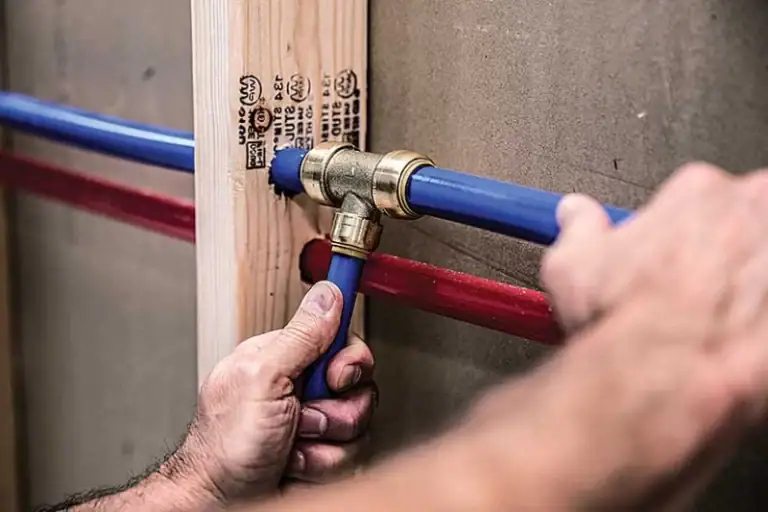
Older homes may still have galvanized steel pipes, which are prone to corrosion, while newer homes often use copper or PEX piping, which is more durable and resistant to leaks. Knowing what type of piping your home has can help you plan for maintenance or potential replacements. San Francisco’s unique geography and aging infrastructure create specific challenges for water pressure and pipe longevity.
San Francisco’s aging infrastructure, combined with periodic maintenance work or unexpected supply disruptions, can lead to reduced water pressure for entire neighborhoods. If you notice pressure issues affecting multiple fixtures, the problem might be external rather than internal to your home. However, in cases where pipes are severely corroded—common in older San Francisco homes with galvanized steel pipes—replacing them with modern copper or PEX piping is the best long-term solution.
Check water pressure: Use a water pressure gauge to ensure your home’s pressure is within the recommended range (typically between 40 & 60 psi). Test shut-off valves: Ensure that you can easily turn off water valves in case of an emergency, such as a burst pipe. Knowing where these valves are located can save you thousands in water damage if a pipe bursts unexpectedly.
Drainage and Waste Systems: How Water Leaves Your Home
Older homes may still have galvanized steel pipes, which are prone to corrosion, while newer homes often use copper or PEX piping, which is more durable and resistant to leaks. Knowing what type of piping your home has can help you plan for maintenance or potential replacements. San Francisco’s unique geography and aging infrastructure create specific challenges for water pressure and pipe longevity.
San Francisco’s aging infrastructure, combined with periodic maintenance work or unexpected supply disruptions, can lead to reduced water pressure for entire neighborhoods. If you notice pressure issues affecting multiple fixtures, the problem might be external rather than internal to your home. However, in cases where pipes are severely corroded—common in older San Francisco homes with galvanized steel pipes—replacing them with modern copper or PEX piping is the best long-term solution.
Check water pressure: Use a water pressure gauge to ensure your home’s pressure is within the recommended range (typically between 40 & 60 psi). Test shut-off valves: Ensure that you can easily turn off water valves in case of an emergency, such as a burst pipe. Knowing where these valves are located can save you thousands in water damage if a pipe bursts unexpectedly.
Want live answers?
Connect with a Sugar Bear Home Services expert for fast, friendly support.
Common Plumbing Issues in San Francisco's Older Homes
Old houses in San Francisco have roots as far back as 1850, with many homes containing whole or part of the original plumbing. Even when the old plumbing is gone, it may have received replacements or repairs back when plumbing materials and techniques didn’t meet today’s building codes.
Living in a historic San Francisco home comes with unique plumbing challenges that newer properties simply don’t face. San Francisco’s historic architecture and aging infrastructure present unique challenges. Many buildings still rely on old piping systems prone to corrosion, mineral build-up, and pressure inconsistencies. Understanding these common issues helps you plan for maintenance and spot problems early.
Galvanized Steel Pipe Problems and Solutions
Galvanized Pipe Corrosion Older homes often contain galvanized steel pipes, which corrode over time, leading to rusty water and reduced flow. If your San Francisco home was built before 1960, there’s a good chance you still have some galvanized steel piping in your system. These pipes were the standard for decades, but they have a finite lifespan.
In older San Francisco properties, water lines made from outdated materials like galvanized steel are prone to corrosion and leaks. These issues can impact your water pressure and waste gallons of water daily. The corrosion happens from the inside out, so by the time you notice rusty water or severely reduced pressure, the pipes are often beyond repair.
Depending on the damage, we might replace a section of the pipe or use trenchless methods to install a new one entirely. Modern replacement options include copper and PEX piping, both of which offer better longevity and resistance to San Francisco’s water conditions. The investment in pipe replacement typically pays for itself through improved water pressure, better water quality, and elimination of ongoing leak repairs.
Victorian and Edwardian Home Plumbing Challenges
Burst or leaking pipes are common emergencies, especially in San Francisco’s older Victorian and Edwardian homes, and can cause significant water damage quickly. These beautiful historic homes weren’t designed with modern plumbing demands in mind, and the original layouts often create accessibility challenges for repairs and maintenance.
Historic Home Emergency Services Our technicians receive special training in addressing emergencies in San Francisco’s historic Victorian and Edwardian homes. We understand the complexities of galvanized piping, knob-and-tube wiring interactions, and how to navigate tight access points without damaging period-specific features. Working on these homes requires specialized knowledge of both modern plumbing techniques and historic preservation considerations.
While San Francisco’s Victorian homes look beautiful, they can be plagued with a litany of plumbing problems. Corrosion and general wear and tear can wreak havoc on an older home’s faucets, fixtures, and supply line connections. This aging-induced damage can cause restricted water flow, broken knobs, and leaks, making it difficult to use the water and potentially causing an expensive problem. The key is working with plumbers who understand how to preserve your home’s character while upgrading its functionality.
Essential Plumbing Maintenance Tips for San Francisco Homeowners
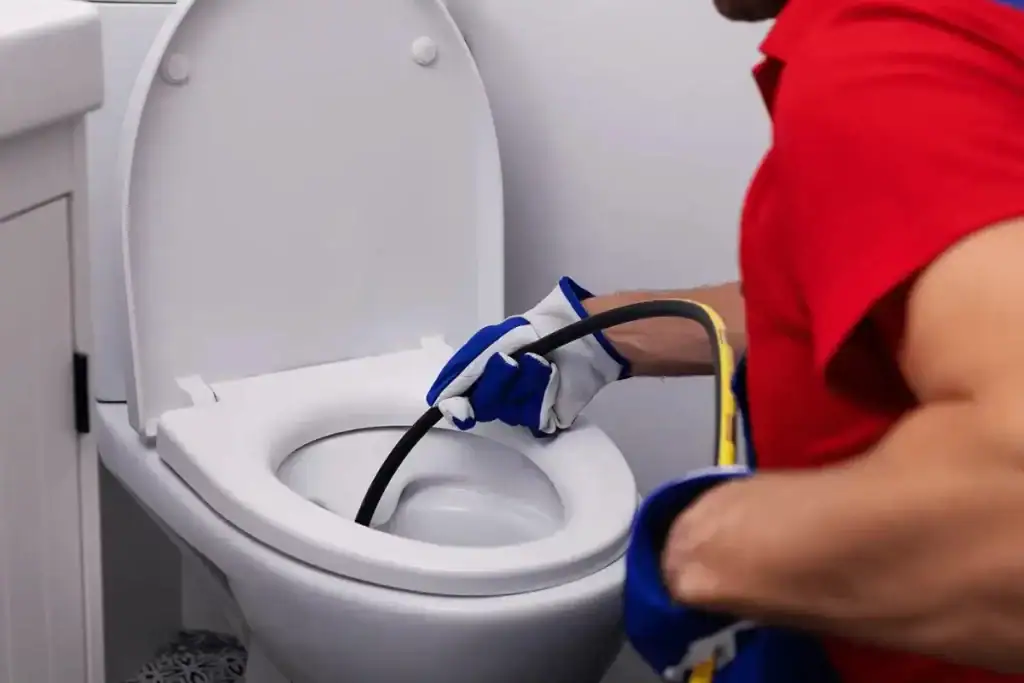
Proper maintenance can help prevent many common plumbing issues and keep your system running smoothly. Here are a few essential maintenance tasks every homeowner should follow: Inspect for leaks regularly: Check under sinks, behind appliances, and around toilets for signs of moisture or pooling water. Prevent drain clogs: Avoid flushing anything other than toilet paper, and use drain strainers in sinks and tubs to catch hair and debris.
Regular maintenance is your best defense against costly emergency repairs. While routine maintenance can prevent many issues, some plumbing problems require professional attention. Whether it’s a stubborn clog, water heater failure, or a complex pipe repair, having an experienced plumber on call can save time and frustration. When you need professional help, Sugar Bear Home Services brings decades of experience working specifically with San Francisco’s unique plumbing challenges.